Pure Vegetarian Cities in India: Where Food Is Sacred and Meat Is Never on the Menu
When you think of pure vegetarian cities in India, places where no meat, eggs, or even root vegetables are served out of deep spiritual respect for life. Also known as Jain-influenced vegetarian zones, these cities don’t just avoid meat—they’ve built entire food cultures around non-violence, dairy, and seasonal grains. This isn’t a dietary trend. It’s a way of life passed down for centuries, shaped by religion, community, and a quiet but powerful belief that eating should never cause harm.
Take Palitana, a sacred Jain pilgrimage site in Gujarat where even onions and garlic are banned in restaurants to prevent harm to tiny organisms in the soil. Walk through its streets and you won’t find a single meat stall. Instead, you’ll see stalls selling fresh paneer, milk-based sweets like peda, and lentils cooked with turmeric and cumin. Then there’s Varanasi, a holy city where temple kitchens serve only sattvic food—no garlic, no onion, no meat—just rice, milk, ghee, and seasonal vegetables. Even in cities like Ajmer and Pushkar, where tourists flock, restaurants proudly display "100% Vegetarian" signs because the local culture doesn’t just prefer it—it demands it.
What ties these places together? Milk. Not just as a drink, but as the foundation of everything—from paneer, the fresh cheese made by curdling milk with lemon juice or vinegar. to kheer, the creamy rice pudding simmered for hours with cardamom and saffron. In these cities, dairy isn’t a side note—it’s the star. And it’s not just about taste. Fermented yogurt, cultured buttermilk, and homemade ghee are seen as pure, digestible, and spiritually clean. Even the way dal is soaked, cooked, and paired with roti follows ancient rules meant to honor both the body and the earth.
These cities don’t just serve food—they preserve a philosophy. You won’t find carrots or potatoes in Jain homes because they grow underground and kill the plant’s entire life cycle. You won’t see eggs on any menu, even in non-Jain vegetarian areas, because the idea of consuming life is unthinkable. And you won’t hear anyone say "I’m vegetarian" as if it’s a choice—it’s simply how things are done. This isn’t about being healthy or trendy. It’s about living with awareness, every single meal.
What you’ll find in the posts below are real stories from kitchens in these cities: how dosa batter ferments naturally without yeast, why certain dals are avoided at night, how paneer is made from a gallon of milk, and why the most popular Indian sweet is still made the same way it was 200 years ago. These aren’t recipes for the curious—they’re traditions kept alive by people who believe food is sacred. And if you want to understand what true vegetarianism means in India, you start here—with the milk, the lentils, and the silence where meat used to be.
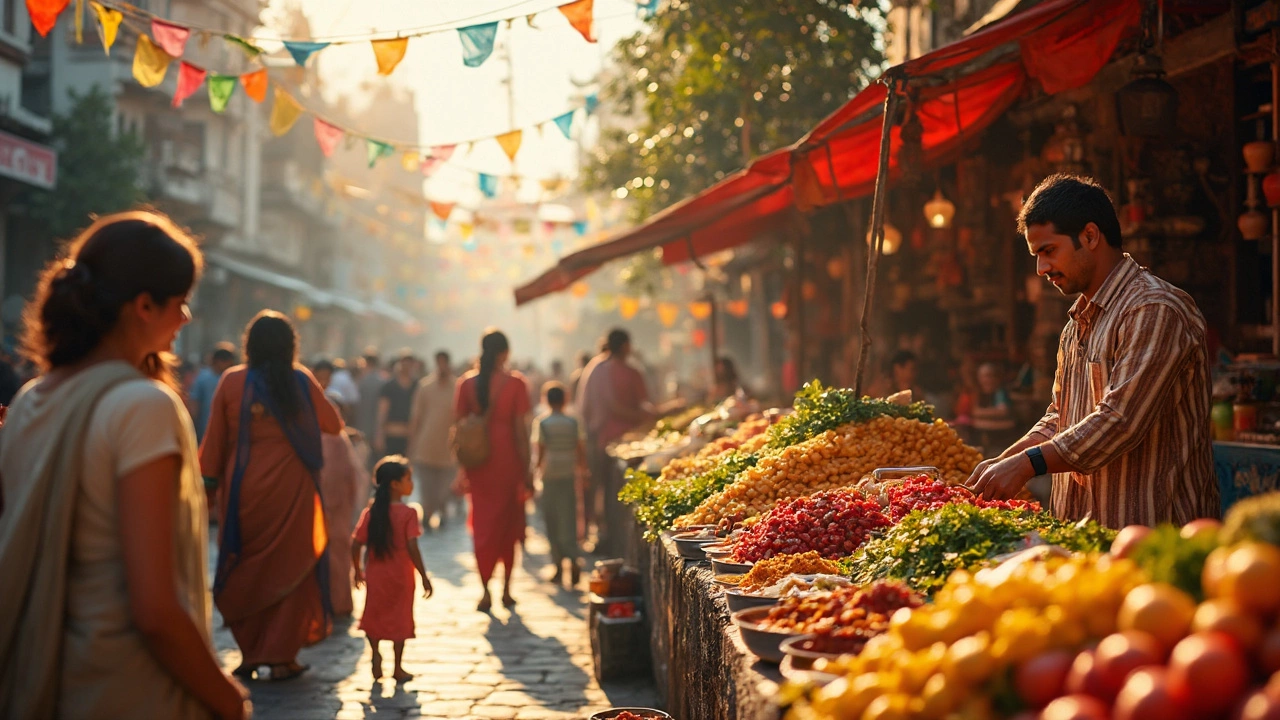
Which City in India Is Pure Vegetarian? Surprising Insights for Food Lovers
Ever wondered if a truly pure vegetarian city exists in India? This article digs into which Indian city stands out for its vegetarian food scene, and why. Learn about the local culture, real-life eating experiences, and must-try dishes that define vegetarian living. It’s not just about the food—get tips for travelers and surprising quirks that make these places special. Perfect for anyone curious about India’s vegetarian side.
Read More