Paneer Storage Tips: Keep Fresh Paneer Longer Without Losing Texture
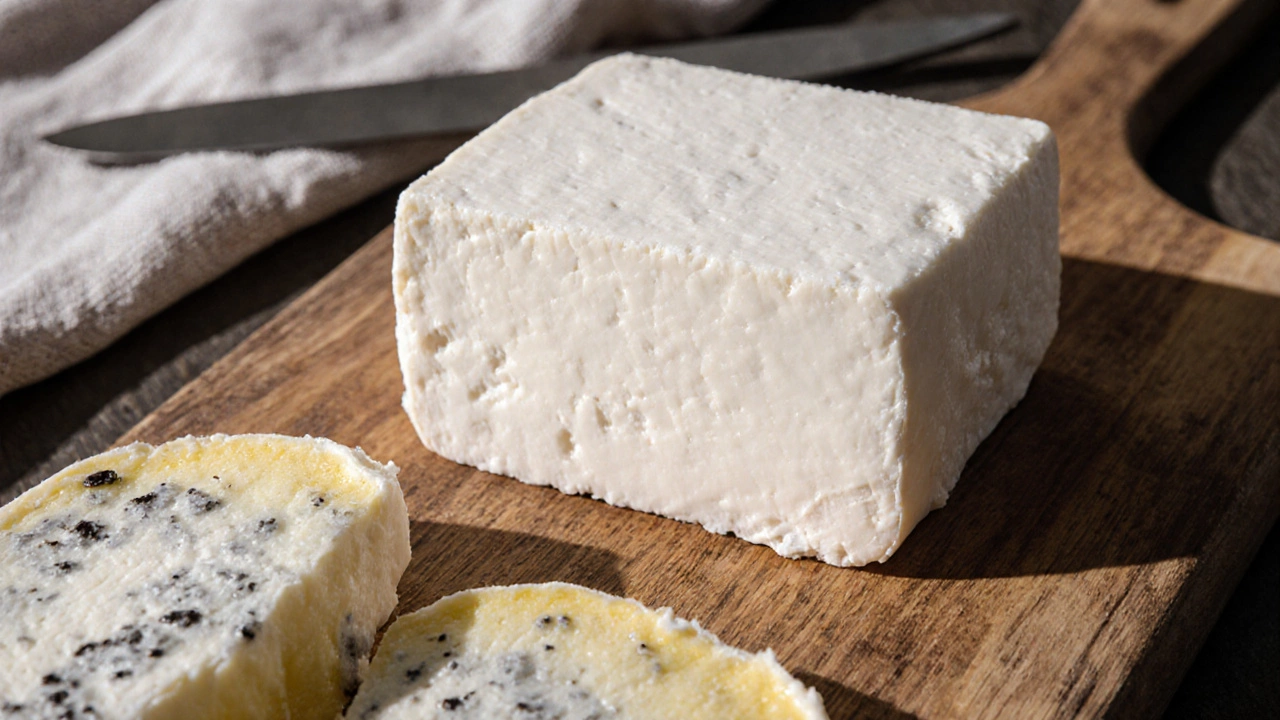
When you make paneer, a fresh Indian cheese made by curdling milk with acid. Also known as Indian cottage cheese, it’s a staple in homes across India—from palak paneer to paneer tikka. But if you don’t store it right, it turns dry, crumbly, or sour in just a day or two. The good news? With the right storage method, you can keep paneer fresh for up to a week without losing its soft, springy texture.
Storing paneer isn’t just about popping it in the fridge. It’s about controlling moisture, temperature, and air exposure. Refrigeration, the process of keeping food cold to slow bacterial growth is essential, but you need to do it right. Submerging paneer in cold water helps it retain moisture and stay soft. Change the water daily to keep it fresh and prevent off-flavors. If you’re storing it longer than three days, drain the water, pat it dry, wrap it in a damp cloth, then place it in an airtight container. This trick keeps it from drying out while still letting it breathe a little.
Some people freeze paneer to extend its life. That works—freezing, slowing down spoilage by lowering temperature below freezing point can preserve paneer for up to three months. But don’t just toss it in the freezer raw. Cut it into cubes, lay them on a tray, freeze them first, then transfer to a sealed bag. That way, they won’t stick together. Thaw it slowly in the fridge overnight. Don’t microwave it—your paneer will turn rubbery. You can also cook with frozen paneer directly in curries; it absorbs sauce well and still holds its shape.
Don’t store paneer near strong-smelling foods like onions or fish. It absorbs odors like a sponge. And never leave it at room temperature for more than two hours, especially in warm weather. Even in cooler climates, leaving it out too long invites bacteria. If your paneer starts smelling sour or feels slimy, toss it. Fresh paneer should smell clean and milky, not tangy or off.
You’ll find plenty of recipes here that use paneer—like how to make it from scratch using lemon juice or vinegar, how much you can get from a gallon of milk, and which dishes pair best with it. But none of that matters if your paneer goes bad before you even cook it. These storage tips aren’t just handy—they’re the difference between a creamy, delicious dish and a disappointing one. Whether you make paneer weekly or just for special meals, getting storage right means less waste and better flavor every time.
How to Tell If Paneer Is Spoiled - Simple Checks & Safety Tips
Learn to spot spoiled paneer with simple visual, smell and touch tests, plus storage tips to keep it fresh and safe.
Read More