Junk Food: What It Really Is and Why Indian Homes Are Turning Away
When we talk about junk food, highly processed snacks and meals loaded with salt, sugar, and unhealthy fats that offer little to no nutrition. Also known as fast food, it’s the kind of thing you grab when you’re rushed, tired, or just craving something salty or sweet—but it’s not food that keeps you strong. In India, junk food isn’t just pizza or fries. It’s the masala chips at the bus stop, the packaged samosa packets sold outside schools, the instant noodles boiled in a kettle, and the sugary cold drinks that replace buttermilk. These aren’t occasional treats anymore—they’ve become part of the daily routine, especially in cities and among younger families.
What makes junk food dangerous isn’t just the calories. It’s the lack of real ingredients. Traditional Indian meals—dal, roti, rice, curd—are built on whole foods that digest slowly and feed your body properly. Junk food, on the other hand, is designed to trigger cravings, not nourish. It replaces the slow fermentation of dosa batter with pre-mixed powders. It swaps homemade paneer for processed cheese slices. It trades the natural sweetness of jaggery for high-fructose corn syrup in colas. And it’s not just about weight. Studies show kids who eat junk food regularly have trouble concentrating in school, and adults report constant fatigue, bloating, and mood swings. The body doesn’t recognize these ingredients as food—it sees them as invaders.
Here’s the thing: you don’t need to give up Indian street food to avoid junk. A hot, fresh vada pav from a clean stall isn’t junk—it’s made with real potatoes, spices, and bread. But a sealed packet of flavored popcorn with 12 unpronounceable additives? That’s junk. The difference is in the source, the process, and the intention. Real Indian cooking uses milk, lentils, spices, and time to build flavor and health. Junk food skips all that. It’s fast, cheap, and empty. And that’s why more Indian households are going back to the basics—cooking dal with soaked lentils, making roti fresh, and using yogurt instead of cream-based sauces. You don’t need to be a chef to eat better. You just need to ask: is this real food, or just something that looks like it?
Below, you’ll find real stories from Indian kitchens—why biryani gets ruined by shortcuts, how dosa batter should ferment naturally, what makes paneer firm without chemicals, and why eating dal at night can backfire. These aren’t food rules. They’re food truths. And they’re the quiet rebellion against junk food that’s spreading across homes in India.
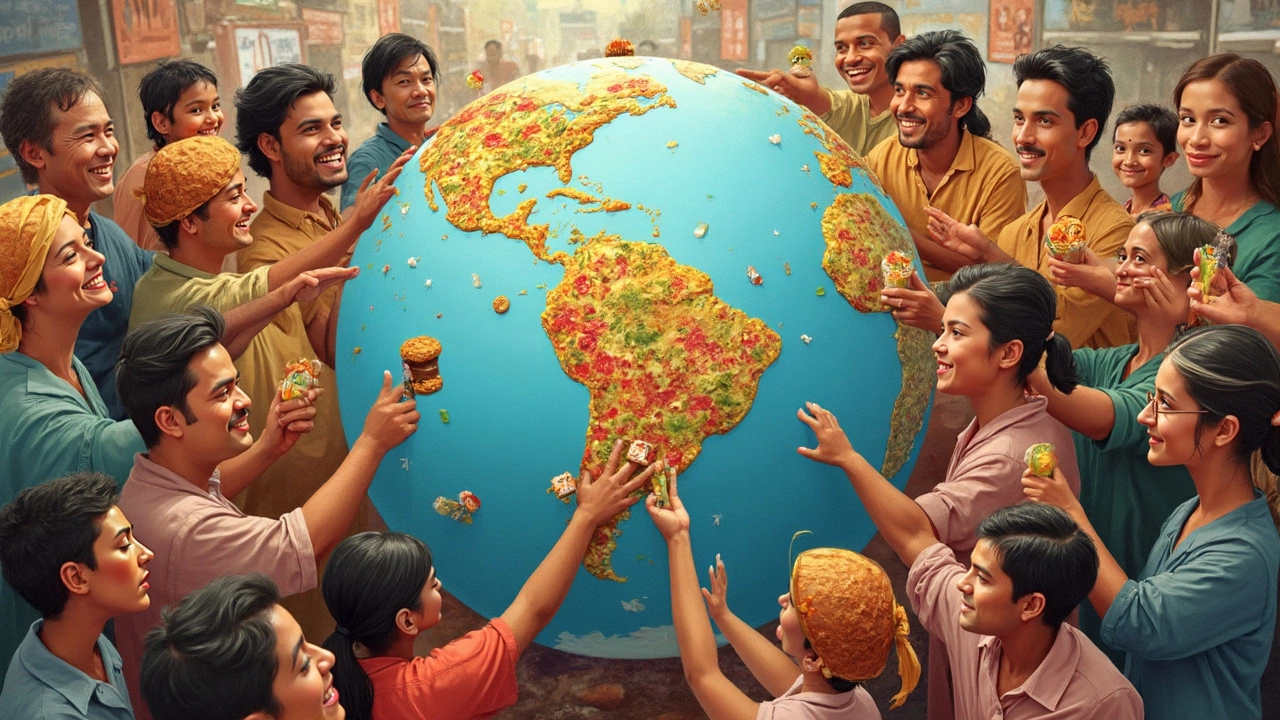
Unhealthy Eating by Country: Who Tops the List and Why It Matters
Ever wondered which country eats the unhealthiest food? This article dives into global fast food habits, revealing the countries topping the junk food charts. It explains why certain nations are more hooked on processed, unhealthy options and breaks down surprising facts about eating trends. Get insights on what this means for your health and tips to curb unhealthy cravings, especially useful if you're swamped by tempting snack choices. Find out where India stands and how you can make smarter snack swaps.
Read More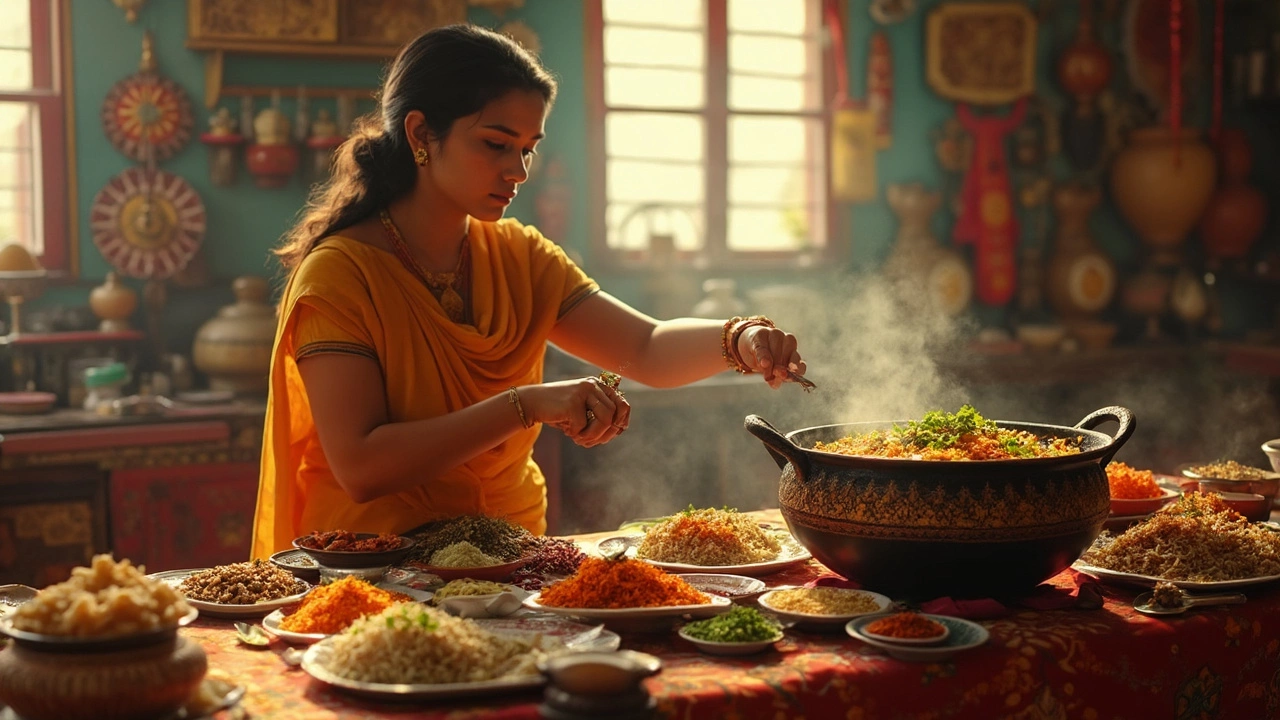
Is Biryani Junk Food or Delicious Delight?
Exploring whether biryani qualifies as junk food or a healthy meal option, this article delves into its ingredients and cooking methods. It provides insights on how to make biryani healthier, discusses cultural and regional variations, and shares tips for balancing taste and nutrition. Biryani's historical roots and its appeal across different cultures are highlighted to provide a comprehensive understanding of this beloved dish. Readers will find practical advice for enjoying biryani without compromising on health.
Read More