Indian Street Food Safety: How to Eat Safe, Tasty Food on the Go
When you think of Indian street food, vibrant, affordable, and deeply flavorful snacks sold by vendors across cities and towns. Also known as roadside eats, it’s the heartbeat of daily life in India—from crispy dosas at dawn to spicy chaat after dark. But eating it safely? That’s where things get tricky. Millions enjoy these meals every day without issue, yet food poisoning from street food is still a real concern, especially for visitors or those with sensitive stomachs. The problem isn’t the food itself—it’s how it’s handled, stored, and served.
Safe street food vendors, local cooks who prepare food fresh in front of you, often using traditional methods passed down for generations. know exactly what works: hot oil for frying, clean cloths for wiping surfaces, and boiling water for washing utensils. Look for stalls with high turnover—food that’s made fresh every 10–15 minutes is less likely to sit around and spoil. Avoid anything sitting uncovered, especially in heat. If the vendor doesn’t wash their hands between handling money and food, walk away. Simple, right? But most people miss these signs because they’re too busy enjoying the smell.
Food hygiene, the practices that prevent contamination from bacteria, dirt, or unclean water. isn’t just about cleanliness—it’s about timing. Dosa batter left out overnight? Fine, if it’s naturally fermented. But if it’s been sitting in a warm corner for two days? That’s a risk. Same with paneer made from milk that’s been sitting too long. And don’t assume "fresh" means safe. A vendor might use fresh milk but store it in an open bucket under the sun. That’s how bad bacteria grow fast. The best protection? Watch how they handle ingredients. Do they use separate spoons for tasting and serving? Is the water they use for washing or cooking boiled? If they’re using tap water for rinsing veggies, that’s a red flag.
Many Indian cities now have hygiene ratings for street vendors, and some even have mobile apps showing which stalls pass basic safety checks. But even without those, you can trust your instincts. Crowds are a good sign—not because it’s popular, but because people keep coming back. If a vendor has a line of locals eating without hesitation, they’ve earned their reputation. Don’t overthink it. Stick to hot, freshly cooked food. Skip raw salads unless you’re sure they’re washed in filtered water. And always carry a small bottle of water—don’t drink from unsealed bottles or roadside taps.
You don’t need to avoid street food to stay safe—you just need to know what to look for. The difference between a great meal and a bad one isn’t the spice level. It’s the care behind it. And once you learn how to spot the good stalls, you’ll eat better, feel better, and discover flavors you never knew existed. Below, you’ll find real advice from people who’ve been there—how to fix common mistakes, what to ask vendors, and which dishes are safest to try, even if you’re new to Indian streets.
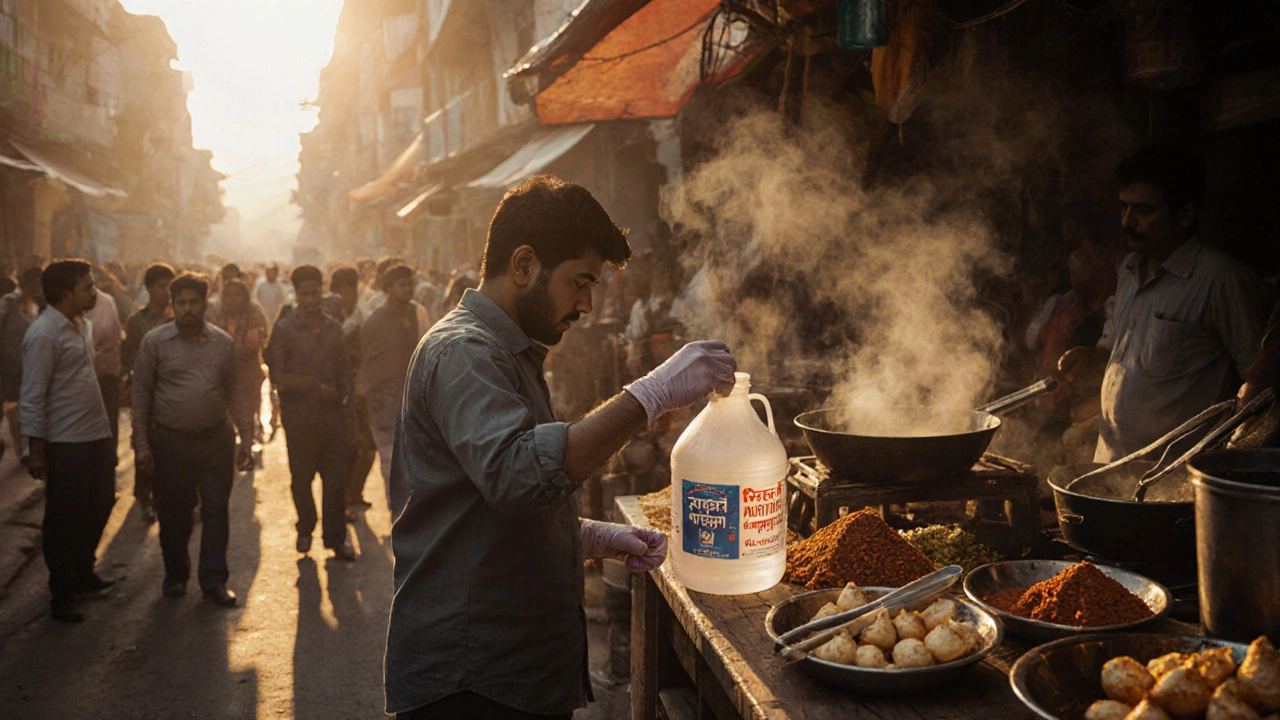
Is It Safe to Eat Street Food in India? A Practical Guide for Travelers
Is it safe to eat street food in India? Yes-if you know what to look for. Learn which foods are safest, how to spot clean vendors, what to avoid, and what to do if you get sick. No fear, just smart choices.
Read More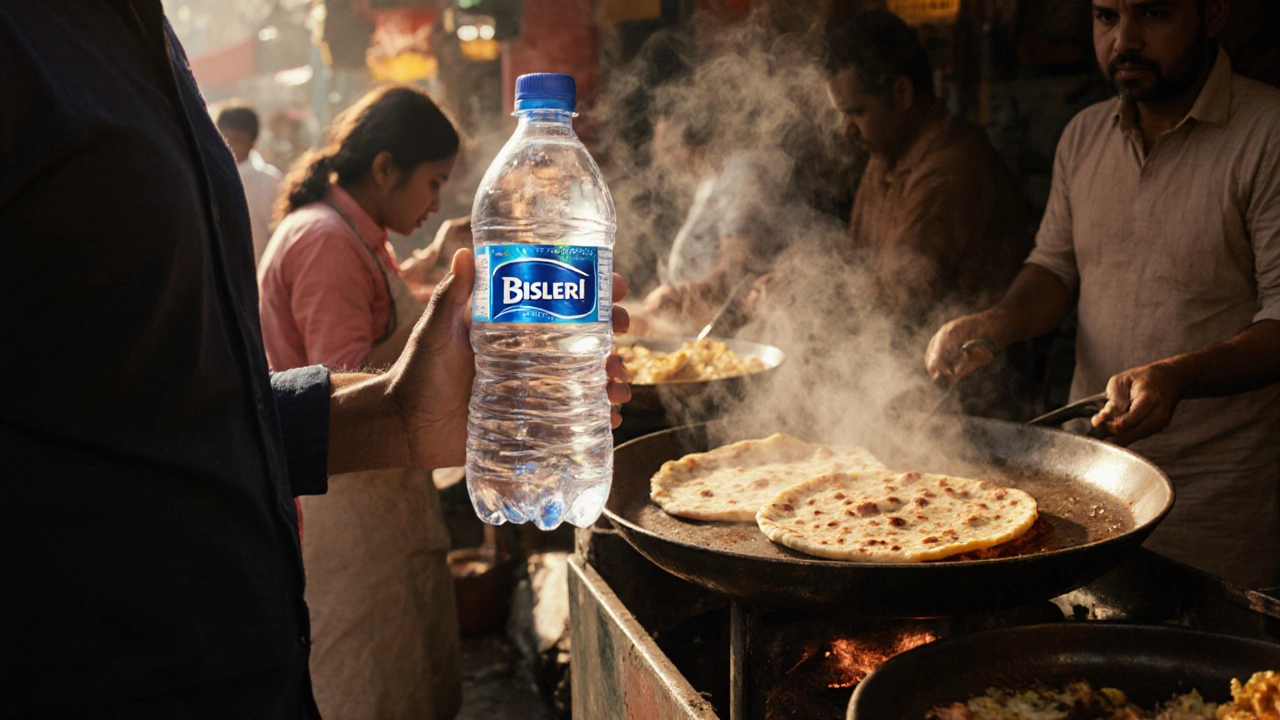
How to Avoid Getting Ill in India: Safe Eating Tips for Travelers
Learn how to enjoy Indian food safely without getting sick. From drinking bottled water to choosing hot, fresh street food, these simple tips help travelers avoid food poisoning and stomach issues in India.
Read More