Indian Street Food: Best Bites, Safety Tips, and Local Lingo
When you think of Indian street food, the vibrant, chaotic, and delicious food sold by vendors on sidewalks, markets, and roadside stalls across India. Also known as roadside eats, it’s not just snacks—it’s a daily ritual for millions, a cultural heartbeat, and the most authentic taste of India you can find outside a home kitchen. From Mumbai’s pani puri to Delhi’s chole bhature, this isn’t fancy dining. It’s fast, fiery, and made fresh in front of you—often with milk-based chutneys, fried dough, spiced potatoes, and tangy tamarind water.
What makes Indian street food, the vibrant, chaotic, and delicious food sold by vendors on sidewalks, markets, and roadside stalls across India. Also known as roadside eats, it’s not just snacks—it’s a daily ritual for millions, a cultural heartbeat, and the most authentic taste of India you can find outside a home kitchen. safe to eat? It’s not about avoiding it—it’s about knowing what to look for. Hot oil, steam, and fresh ingredients are your best friends. Vendors who refill oil rarely, serve food piping hot, and use clean cloths to handle money and food? That’s your spot. Avoid anything sitting out for hours, especially raw veggies or cold drinks with ice from unknown sources. The same vendors who make dosa, a fermented rice and lentil crepe popular across South India, often served with chutney and sambar. Also known as South Indian pancake, it’s a staple breakfast and snack that relies on natural fermentation for flavor and digestibility. batter crispy in the morning are the same ones who know how to keep their frying oil clean by noon.
You don’t need to speak Hindi to eat well. But knowing one word—Theekha, Indian slang for "okay" or "got it," commonly used by street food vendors to confirm orders. Also known as thik hai, it’s the unofficial language of Indian food stalls and helps you blend in fast.—can make your order go smoother. Vendors hear "Theekha" and know you’re not just a tourist. They’ll add that extra sprinkle of sev or a dollop of tamarind chutney without you asking. And if you’re wondering why your biryani, a layered rice dish cooked with spices, meat, and sometimes yogurt or milk, popular across India with regional variations. Also known as spiced rice dish, it’s often served with raita to balance its richness. comes with a white side dish? That’s raita, a cooling yogurt-based condiment often mixed with cucumber, mint, or roasted cumin, served alongside spicy Indian dishes. Also known as yogurt side dish, it’s the quiet hero that saves your palate from overload.. It’s not an afterthought. It’s tradition.
Indian street food isn’t just about hunger—it’s about connection. It’s the 6 a.m. chai vendor who remembers your name, the late-night vada pav cart that’s open after the movies, the family-run stall where three generations fold samosas the same way. You won’t find this in a restaurant. You’ll find it where the heat rises, the spices swirl, and the crowd doesn’t wait. Below, you’ll find real advice from people who’ve eaten their way through India—how to avoid getting sick, what to order when you’re unsure, and why some foods taste better when eaten standing up with your fingers.
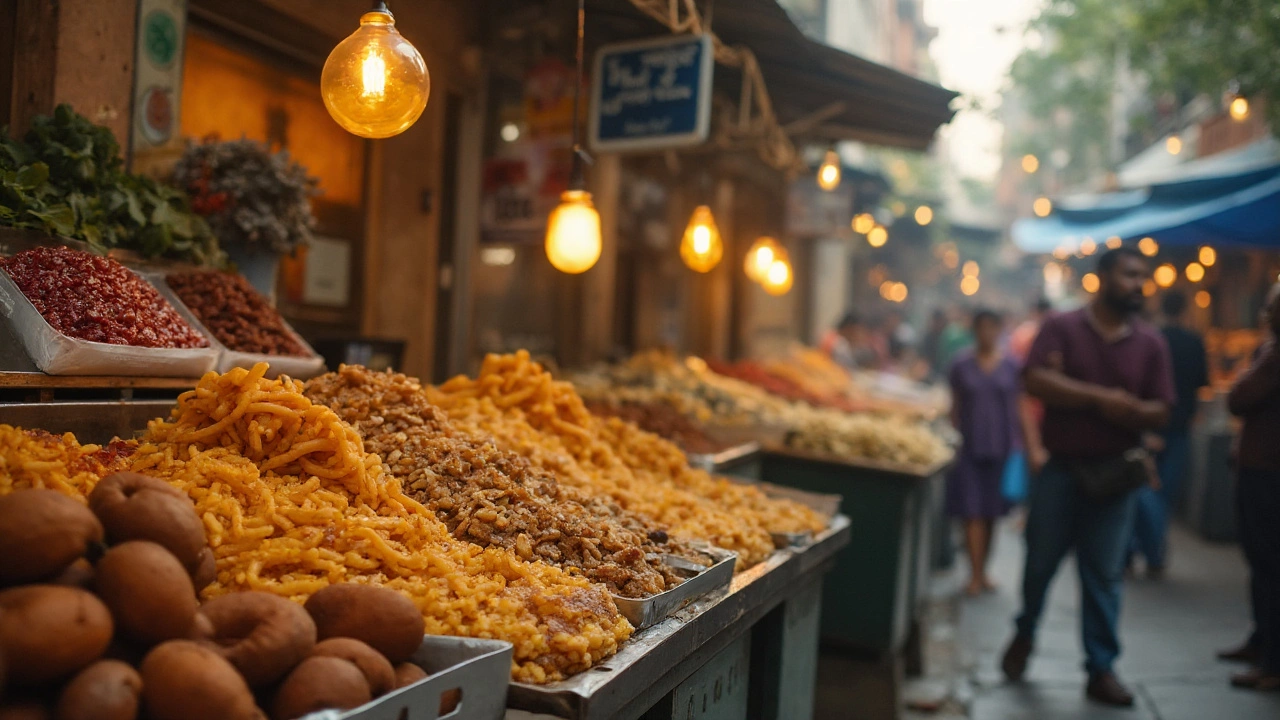
What Is the Famous Junk Food in India? Iconic Street Snacks You Should Know
What counts as the most famous junk food in India? Get a clear answer, regional favorites, how to order safely, and lighter swaps for guilt-free snacking.
Read More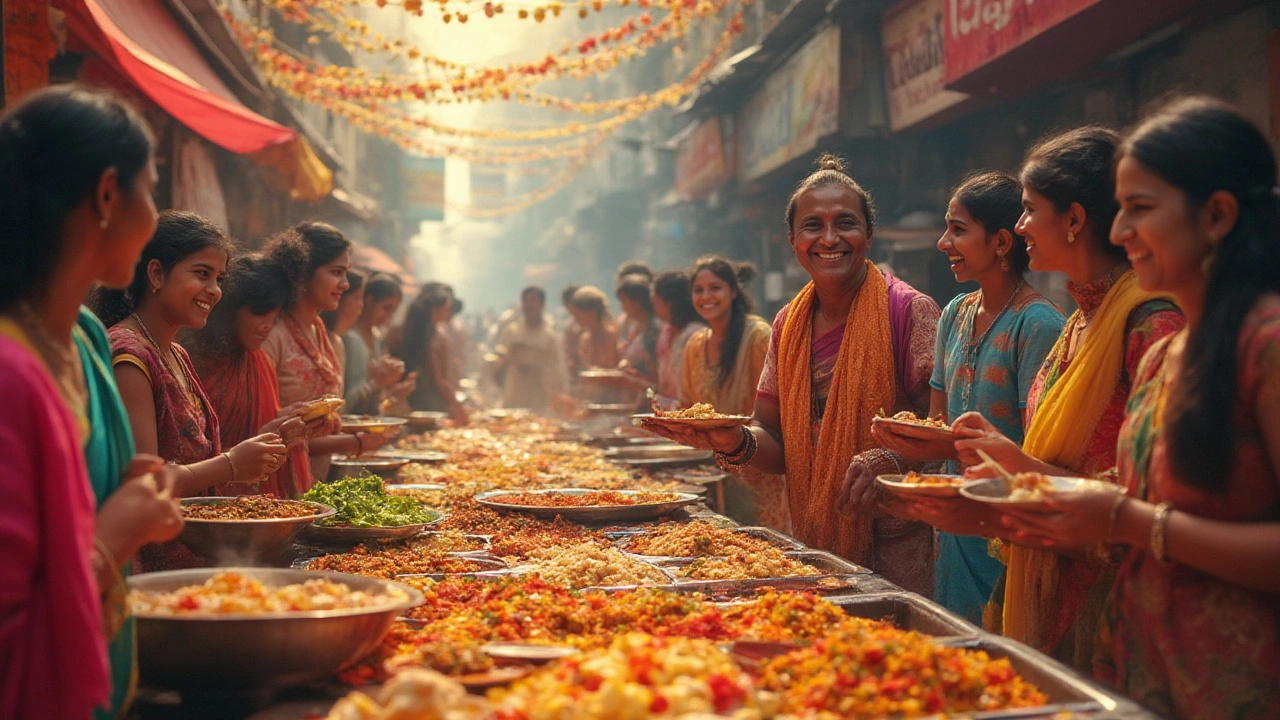
Indian Dishes Without Curry: Surprising Foods Beyond the Usual Spice Mix
Think all Indian food means curry? Think again! Here’s a fun deep dive into beloved Indian foods with zero curry—delicious, varied, and packed with flavor.
Read More