Indian Food Traditions: Roots, Rituals, and Regional Flavors
When you think of Indian food traditions, the deep-rooted, centuries-old practices that shape how India eats, cooks, and celebrates through food. Also known as Indian culinary heritage, it’s not just about spices and curries—it’s about belief, timing, family, and place. Every meal carries meaning. Why do Jains avoid carrots? Why does dosa batter need to sit overnight? Why is biryani layered, not stirred? These aren’t random rules—they’re living customs passed down through generations, tied to religion, climate, and community.
Jain diet, a strict form of vegetarianism rooted in non-violence toward all living things. Also known as Jain vegetarianism, it’s one of the most thoughtful food systems in the world. Root vegetables like carrots, potatoes, and onions are avoided because uprooting them kills the entire plant—and potentially countless tiny organisms living in the soil. This isn’t a trend. It’s a spiritual discipline that shapes what’s on the plate before the first spice is even measured. Meanwhile, traditional Indian sweets, dense, milk-based desserts made with jaggery, cardamom, and patience. Also known as Indian desserts, they’re not just treats—they’re offerings, gifts, and markers of celebration. Gulab jamun at Eid, rasgulla during Durga Puja, barfi at weddings. Each sweet has a story, a region, and a reason it exists. And then there’s biryani, a layered rice dish where technique matters more than ingredients. Also known as Indian rice dish, it’s not just cooked—it’s performed. The dum method, the layering, the timing—it’s science wrapped in ritual. Get one step wrong, and the whole dish falls apart. But get it right, and it becomes the centerpiece of a feast.
These traditions aren’t stuck in the past. They’re alive in your kitchen. The sourness in your dosa batter? That’s lactic acid bacteria doing their job—nature’s fermentation, unchanged for 5,000 years. The softness of your roti after hours? That’s the old trick of wrapping it in cloth, passed from mother to daughter. Even the white raita served with biryani isn’t just a side—it’s a cooling counterpoint, a balancing act written into the meal’s DNA.
You won’t find these rules in cookbooks. You’ll find them in the way your grandmother checks the heat before pouring oil, in the way a street vendor says "Theekha" to confirm your order, in the quiet patience of fermenting batter overnight instead of rushing it with yeast. This collection of posts dives into those moments—the mistakes, the myths, the methods. You’ll learn why eating dal at night isn’t just a myth, how to make paneer that doesn’t taste like rubber, and why chicken tikka masala became the world’s favorite Indian dish—even though it wasn’t born in India. These aren’t recipes. They’re cultural keys. And you’re holding them now.
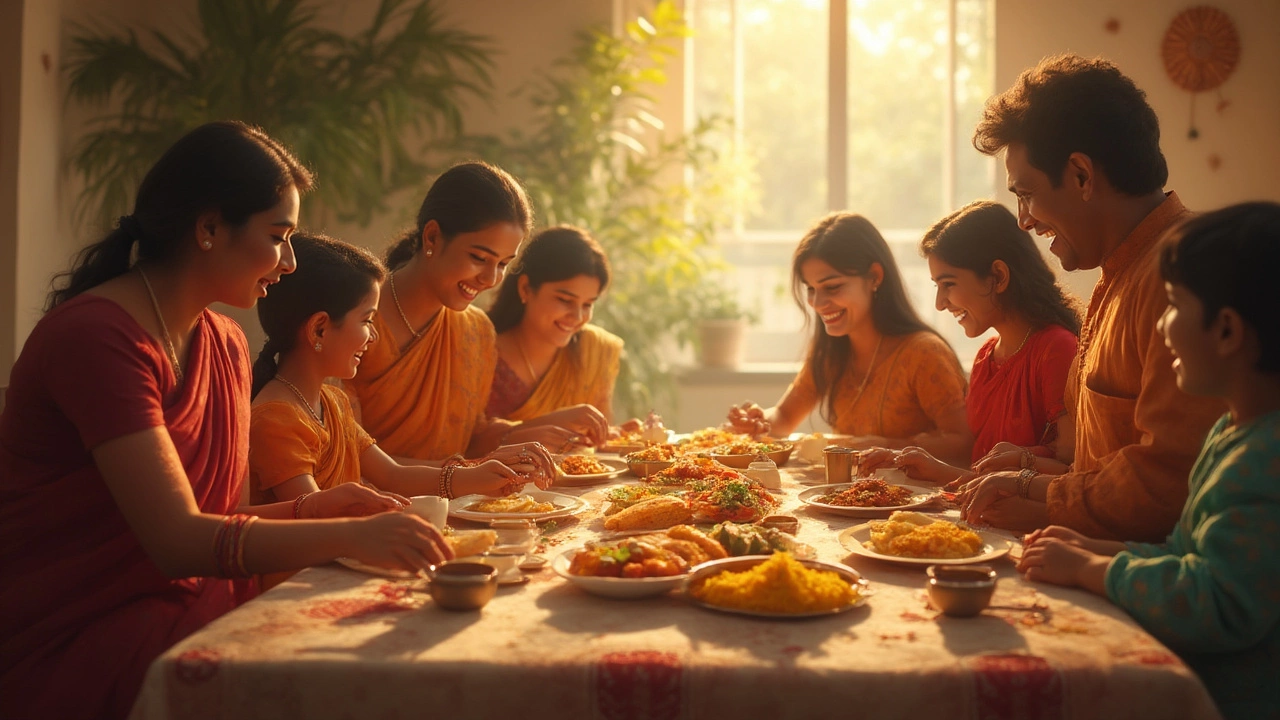
Typical Indian Breakfast: Popular Dishes, Traditions, and Regional Favorites
Uncover the variety and flavor of a typical Indian breakfast. Learn about different dishes, cultural meanings, and regional specialties enjoyed across India.
Read More