Indian Food Safety: How to Eat Street Food and Cook at Home Without Getting Sick
When it comes to Indian food safety, the practices and habits that keep meals from causing illness, especially in environments with high humidity, heat, and diverse food handling. Also known as food hygiene in Indian kitchens, it’s not about avoiding street food—it’s about knowing what to look for, what to skip, and how to prepare meals so they don’t turn your trip—or your dinner—into a nightmare. Many people think Indian food is risky, but the truth is simpler: most sickness comes from a few avoidable mistakes, not the spices or the culture.
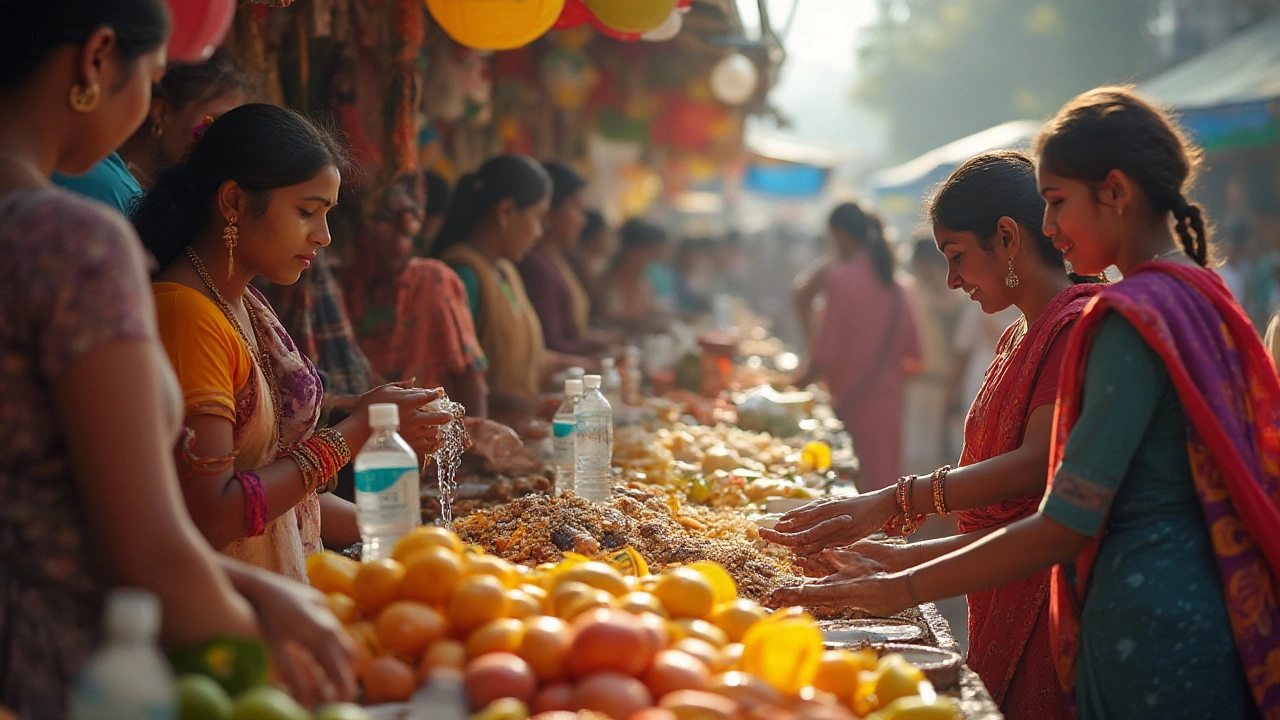
Street food India, the vibrant, affordable meals sold by vendors across cities and towns, from Mumbai’s vada pav to Delhi’s chole bhature. Also known as Indian roadside cuisine, it’s a cultural staple and a delicious way to eat like a local. The key to enjoying it safely? Watch the vendor. Is the food hot and fresh? Are they using clean utensils? Is the oil being reused too many times? If the answer is yes to the first two and no to the last, you’re likely fine. Avoid anything sitting out for hours, especially dairy-based dishes like raita or paneer curries unless they’re kept cold. Food poisoning prevention, the set of actions that stop harmful bacteria from entering your body through food. Also known as gastrointestinal safety, it’s not complicated: eat hot, drink bottled, wash your hands, and skip raw salads if you’re not used to the water. Your stomach isn’t weak—it’s just unfamiliar. Give it time, and learn the signs of safe food: steam rising, sizzling oil, and vendors who handle money and food with separate hands.
At home, safe cooking India, the way Indian households handle ingredients like milk, dal, and dough to prevent spoilage and contamination. Also known as kitchen hygiene in Indian homes, it’s rooted in tradition but needs modern awareness. Soaking dal too long in warm water? That’s fermentation, not spoilage—but only if the water’s clean. Leaving dosa batter out overnight? Perfect—unless it’s near a dirty sink or a fly-filled window. Making paneer? Lemon juice is fine, but if your milk was left unrefrigerated for hours before boiling, you’re playing Russian roulette. Food hygiene Indian cuisine, the daily habits that protect meals from bacteria, mold, and cross-contamination in Indian kitchens. Also known as traditional food safety, it’s not about sterilizing everything—it’s about respecting time, temperature, and cleanliness. Clean surfaces, covered food, and hot serving temperatures are your best friends. Don’t assume ‘it’s always been done this way’ means it’s safe—some old habits need updating.
What you’ll find below isn’t a list of fear-based warnings. It’s a practical guide built from real experiences—how to fix sour dosa batter without tossing it, why eating dal at night can backfire, how to pick the cleanest street vendor, and what to do if you feel off after eating. These aren’t theories. They’re the lessons travelers and home cooks learned the hard way. Read them. Use them. Eat boldly—safely.
Smart Ways to Prevent Stomach Problems While Traveling in India
Discover practical tips for avoiding a bad stomach while visiting India. Get real advice on staying healthy, eating safely, and what to watch out for with local foods.
Read More