Indian Breakfast Importance
When you think of Indian breakfast, a daily meal rooted in regional traditions, nutritional balance, and family rhythm. Also known as morning meal in India, it's not just about filling your stomach—it’s about starting the day right with food that’s been passed down for generations. Unlike Western breakfasts that often lean toward toast or cereal, Indian breakfasts are packed with flavor, texture, and purpose. From steaming idlis in the south to hot parathas in the north, every bite carries history, climate, and community.
Why does this matter? Because Indian breakfast foods, like dosa, poha, upma, and chana masala with bread. Also known as morning staples across India, they’re designed to digest slowly, fuel long hours, and support digestion with fermented grains and lentils. Fermentation isn’t just a trend—it’s science. The same lactic acid bacteria that make dosa batter tangy also improve nutrient absorption and gut health. And it’s not just about taste. These meals often include milk-based ingredients like curd, paneer, or kheer, tying back to India’s deep connection with dairy as a source of protein and calcium. Traditional Indian breakfast, varies by region but always centers on fresh, local, and seasonal ingredients. Also known as regional morning rituals, it reflects what grows nearby—rice in Kerala, millet in Rajasthan, wheat in Punjab. There’s no one-size-fits-all. A Tamil family might eat idli with coconut chutney, while a Punjabi household starts with paratha and lassi. Both are equally valid, equally nourishing. These meals aren’t rushed. They’re shared. They’re made with care. And they’re often the only time the whole family sits together before the day begins.
There’s a reason Indian grandparents insist on eating breakfast before noon. It’s not superstition—it’s biology. Eating early helps regulate blood sugar, supports metabolism, and prevents overeating later. Many Indian breakfasts include legumes and whole grains, which are high in fiber and keep you full longer than processed Western options. Even the spices—turmeric, cumin, mustard seeds—aren’t just for flavor. They’re anti-inflammatory, aid digestion, and boost immunity. When you skip breakfast, you’re not just missing a meal—you’re skipping a system built over centuries to keep people strong and steady.
What you’ll find in the posts below isn’t a list of recipes. It’s a look at how Indian breakfasts connect to larger truths—how fermentation makes dosa batter work, why some people avoid certain foods at night, how paneer is made from milk, and why the right pairing turns a simple meal into something unforgettable. These aren’t random food tips. They’re pieces of a daily pattern that keeps millions of Indian households running. And if you’ve ever wondered why Indian breakfasts feel different—this is why.
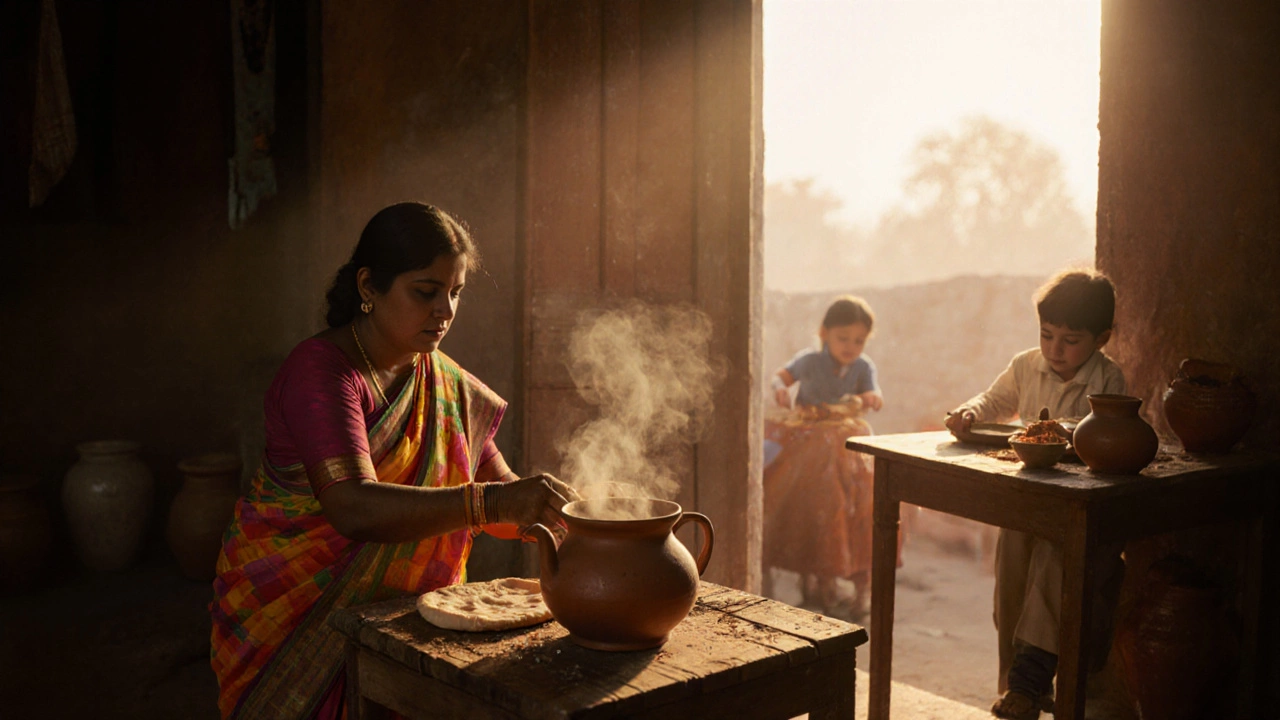
Why Breakfast Matters in Indian Households
Breakfast in India isn't just a meal-it's a vital source of energy, nutrition, and cultural connection. From idlis to poha, traditional morning meals fuel long workdays and support long-term health.
Read More