Idli Recipe: Easy Steps, Common Mistakes, and Perfect Fermentation Tips
When you think of a classic idli, a soft, steamed rice and lentil cake from South India. Also known as idly, it's one of the most trusted breakfasts in Indian homes—light, digestible, and packed with protein from urad dal. What makes it special isn’t just the taste—it’s the science behind the batter. Fermentation turns plain rice and dal into something airy, tangy, and alive with good bacteria. This isn’t magic. It’s patience, ratios, and temperature.
Most people mess up idlis because they skip the basics: soaking time, grinding texture, or waiting for the batter to rise. You can’t rush fermentation. If your batter doesn’t double in size after 8–12 hours, your idlis will be dense. The right urad dal, black gram lentils ground into a fluffy paste needs to be soaked for 4–6 hours, then ground smooth—not chunky. Rice should be parboiled or idli rice, not regular long-grain. Too much rice? Idlis turn hard. Too little dal? They won’t fluff up. And don’t forget salt—it helps the fermentation work right.
Temperature matters more than you think. In cold weather, wrap your batter bowl in a towel and put it near a warm oven or heater. In summer, a sunny windowsill works. If your kitchen is too cool, even 24 hours won’t help. That’s why many South Indian households use clay pots or insulated boxes—they trap heat naturally. And never stir the batter after it ferments. Just gently fold it if it’s bubbly and smells slightly sour. That’s your sign it’s ready.
You don’t need a fancy idli steamer, a multi-tiered pot designed to steam idlis evenly to get perfect results. A regular pot with a tight lid and a heatproof stand works fine. Just make sure water doesn’t touch the bottom of the idli plates. Steam for 10–12 minutes. Don’t open the lid early. Let the steam build. When you take them out, they should spring back when touched.
People think idlis are boring. But they’re the blank canvas for so many flavors. Serve them with coconut chutney, sambar, or even tomato sauce. Pair them with a cup of filter coffee. They’re the breakfast that fuels long days in Tamil Nadu, Karnataka, and Kerala. And they’re gluten-free, vegan, and easy on the stomach—perfect for kids, elders, and anyone who wants clean energy in the morning.
Below, you’ll find real posts from people who’ve tried making idlis at home—some nailed it, others learned the hard way. You’ll see what went wrong with their batter, how they fixed it, and what they wish they’d known before starting. No fluff. Just the truths that make the difference between flat idlis and fluffy ones.
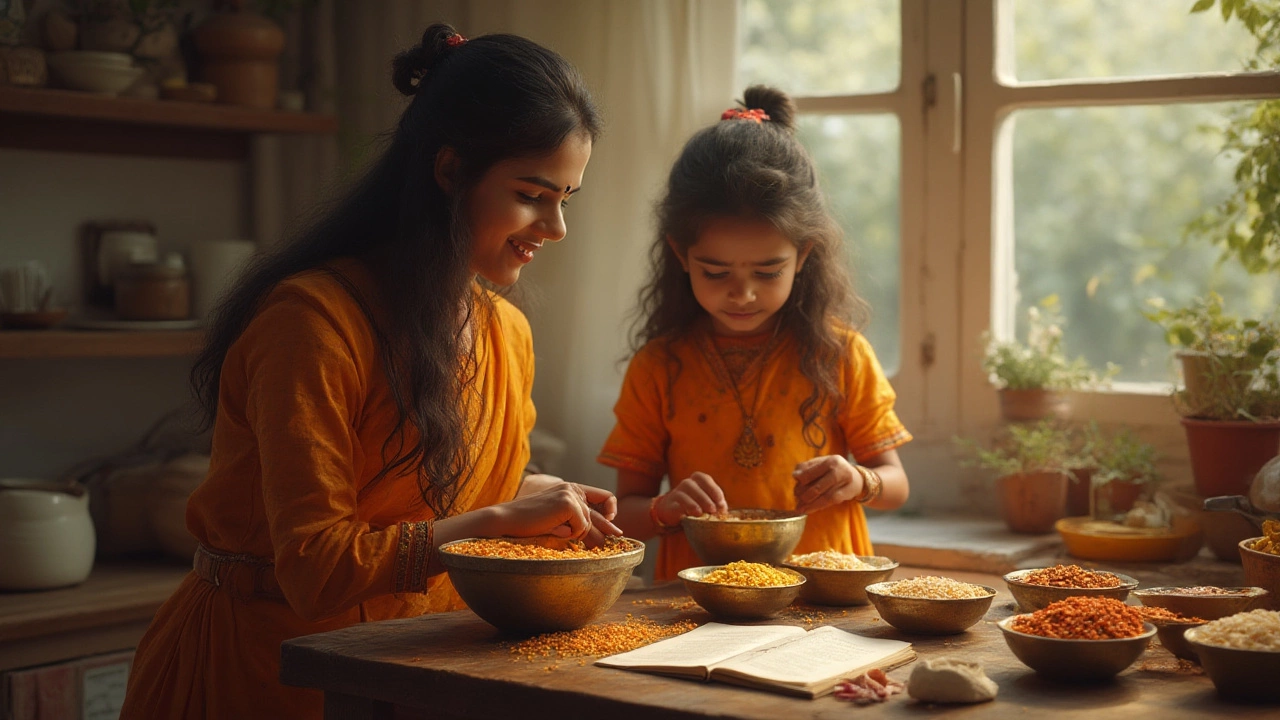
Perfect Urad Dal and Rice Ratio: For Fluffy Idlis, Crisp Dosas & More
Curious about the perfect urad dal and rice ratio for soft idlis or crispy dosas? Find exact measurements, pro tips, and unique tricks in this detailed guide.
Read More