How to Tell Paneer Is Bad
When you make paneer, a fresh Indian cheese made by curdling milk with acid. Also known as Indian cottage cheese, it’s a staple in homes from Delhi to Chennai, used in curries, snacks, and desserts. But unlike aged cheeses, paneer doesn’t last long—especially if you don’t store it right. The biggest mistake? Assuming it’s still good just because it hasn’t turned moldy. Spoiled paneer doesn’t always look scary. Sometimes, it just feels off—slimy, sour-smelling, or softer than it should be.
Fresh paneer, a soft, non-melting cheese made by curdling milk with lemon juice or vinegar. Also known as chhena, it should be white, firm, and smell mildly milky—like fresh yogurt. If it smells sour like old milk, or has a sharp, unpleasant odor, toss it. Texture matters too. Press it gently: if it leaves fingerprints or feels sticky, it’s starting to break down. Fresh paneer springs back slightly. If it crumbles easily or feels mushy, bacteria are already at work. Temperature is the silent killer. Paneer stored at room temperature for more than 2 hours in warm weather? It’s risky. Even in the fridge, it won’t last more than 3–4 days unless it’s submerged in cold water and changed daily. Some people soak it in salted water to extend life, but that’s not a fix for old paneer—it just slows things down.
Milk quality, the base ingredient in paneer. Also known as whole milk, it directly affects shelf life. If the milk was already close to spoiling when you made the paneer, the cheese will go bad faster. That’s why homemade paneer from fresh, boiled milk lasts longer than store-bought versions that sit on shelves for days. Always check your milk before you start. And if you’re buying paneer from a local vendor, watch how it’s stored. Is it sitting uncovered? Is the water cloudy? Don’t risk it. A bad batch of paneer doesn’t just ruin your palak paneer—it can give you food poisoning. No recipe is worth that.
You’ll find posts here that explain how to make paneer right, what acid gives the best texture, and how much you can get from a gallon of milk. But none of that matters if you can’t tell when it’s gone bad. These posts don’t just teach you how to make paneer—they show you how to keep it safe, how to store it so it lasts, and how to spot the quiet signs of spoilage before you cook with it. You’ll learn what to look for, what to ignore, and when to throw it out without guilt. This isn’t about fear—it’s about confidence. Know your paneer. Trust your senses. Eat better.
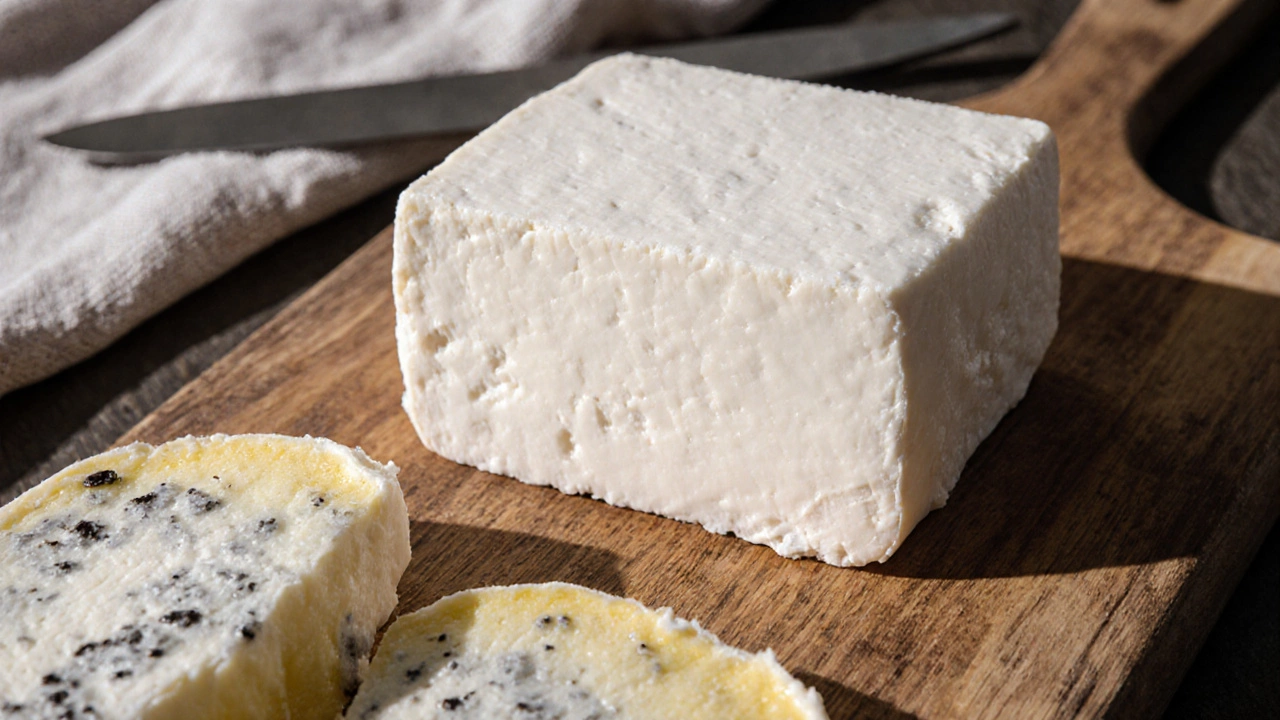
How to Tell If Paneer Is Spoiled - Simple Checks & Safety Tips
Learn to spot spoiled paneer with simple visual, smell and touch tests, plus storage tips to keep it fresh and safe.
Read More