Healthy Indian Dishes: Simple, Nutritious Meals from Traditional Kitchens
When people think of healthy Indian dishes, nutritious meals made with whole grains, lentils, vegetables, and dairy, often prepared using traditional methods that enhance digestion and flavor. Also known as Indian home cooking, it’s not about skipping fats or counting calories—it’s about balance, freshness, and food that works with your body, not against it. Many of the best meals in India aren’t trendy superfoods—they’re everyday plates of rice and dal, soft roti with yogurt, or crispy dosa served with chutney. These aren’t just comfort foods; they’re designed to fuel long days, support digestion, and keep energy steady without crashes.
Take dal, a staple lentil dish cooked with spices, often soaked and simmered slowly to improve digestibility and nutrient absorption. Also known as lentil curry, it’s a protein-rich base that pairs perfectly with rice or roti, and is naturally low in fat unless you add ghee or cream. Then there’s fermented dosa batter, a mix of rice and urad dal that’s left to rise naturally, boosting probiotics and making nutrients easier for your body to use. Also known as traditional South Indian fermented batter, it’s one of the few foods that gets healthier the longer it sits. And don’t forget paneer, a fresh cheese made by curdling milk with lemon juice or vinegar, high in protein and calcium, and perfect grilled, stir-fried, or added to curries without heavy cream. Also known as Indian cottage cheese, it’s a clean, versatile ingredient that turns simple meals into satisfying ones. These aren’t outliers—they’re the backbone of daily eating across India.
Healthy Indian dishes don’t need exotic ingredients or complicated steps. They rely on time-tested practices: soaking dal for better digestion, fermenting batter for gut health, using ghee in moderation, and serving meals with raita to cool and balance spices. Even biryani can be made lighter—swap white rice for brown, use less oil, and load it with vegetables. Breakfast isn’t just idli or poha; it’s a smart start packed with fiber and slow-releasing energy. And yes, you can eat dal at night if you choose the right kind and cook it well—many families do, without issues.
What you’ll find below isn’t a list of diet plans or kale smoothies. It’s real advice from real kitchens—how to fix a soggy dosa, why soaking dal matters, what acid gives you the best paneer, and how to make biryani that’s both flavorful and kind to your stomach. These aren’t hacks. They’re habits. And they’ve kept generations healthy, strong, and satisfied—without ever needing a nutrition label.
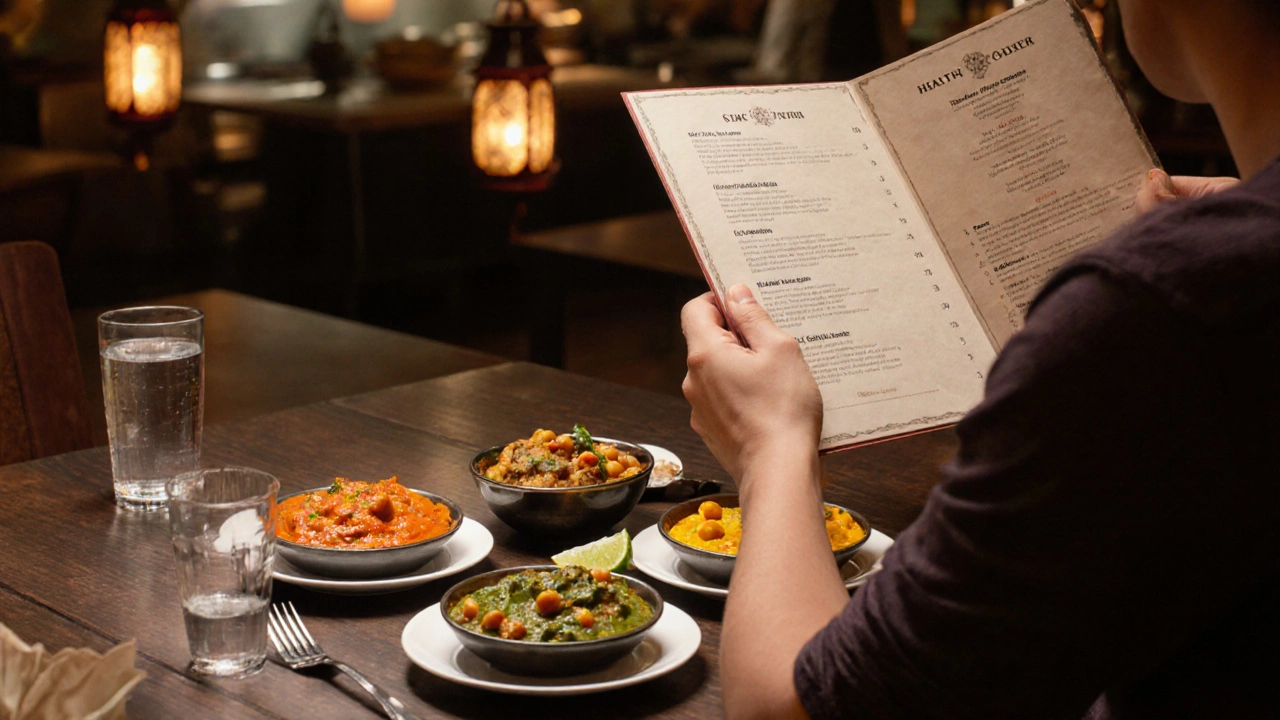
Healthiest Indian Curry to Order: A Nutrition‑Focused Guide
Discover which Indian curries are lowest in calories, fat and sodium, plus tips for ordering healthier meals at restaurants.
Read More