Garam Masala: The Spice Blend That Defines Indian Cooking
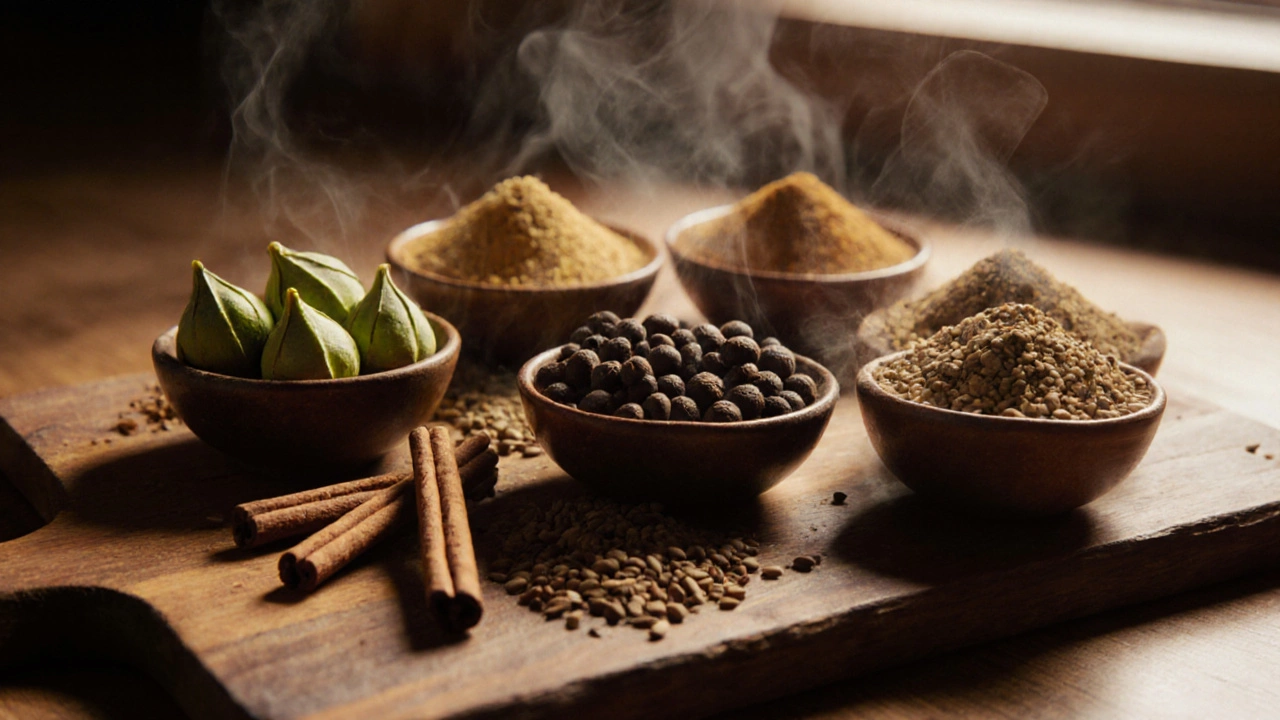
When you think of Indian food, one spice blend stands behind almost every dish you love: garam masala, a warm, aromatic spice mix used across India to finish curries, rice, and meats. Also known as hot spice blend, it’s not just another seasoning—it’s the final touch that turns good food into unforgettable food. Unlike chili heat, garam masala delivers depth: cinnamon, cardamom, cloves, black pepper, cumin, and coriander, toasted and ground fresh, create a layered warmth that lingers on the tongue.
This blend doesn’t just flavor food—it connects to how Indians cook. You won’t find it in the same way in every home. In the north, it’s heavier on cardamom and cloves; in the south, you might find more peppercorns and mace. But no matter where you are, garam masala, a cornerstone of Indian spice culture, is added at the end of cooking, never fried with onions. That’s because heat kills its magic. It’s meant to be stirred in just before serving, like a perfume for your curry. And while you can buy it pre-ground, the best version is made at home, toasted in a dry pan, and ground fresh—because pre-packaged versions often lose their punch within weeks.
It’s also tied to other essentials you’ll see across these posts. paneer, the fresh Indian cheese, often gets its flavor from a pinch of garam masala in the marinade. biryani, the layered rice dish, relies on it to tie together meat, rice, and saffron. Even dosa batter, the fermented rice and lentil mix, sometimes gets a whisper of it in the filling. It’s the quiet hero behind dishes that seem simple but taste deeply complex.
What you’ll find here aren’t just recipes. You’ll see how garam masala interacts with milk-based desserts, how it balances sourness in raita, and why skipping it in a curry leaves a hole in the flavor. Some posts explain how to make your own blend from scratch. Others show you when to add it—too early and you lose the aroma, too late and it tastes raw. There’s even a post about what happens when you substitute it with something else (spoiler: it rarely works).
There’s no magic formula for garam masala. Every family has their own. But if you want to understand Indian cooking, you start here. Not with the biggest flame, not with the longest simmer. You start with this small, powerful mix—and learn how to use it right.
Garam Masala in Biryani: Usage, Timing & Regional Variations
Explore whether garam masala belongs in biryani, when to add it, regional variations, DIY blends, and practical tips for perfect aromatic rice dishes.
Read More