Expensive Indian Sweet: Why Some Desserts Cost More and What Makes Them Special
When you see an expensive Indian sweet, a dessert made with high-quality milk, ghee, sugar, and often saffron or dry fruits, typically tied to regional traditions and labor-intensive methods. Also known as luxury Indian dessert, it's not just about sweetness—it's about time, skill, and rare ingredients that turn simple dairy into something extraordinary. You won’t find these in every roadside stall. They’re made in small batches, often by families who’ve passed down the recipe for generations. These aren’t mass-produced treats. They’re crafted slowly, sometimes over days, with patience as the main ingredient.
What makes one sweet more expensive than another? It’s usually the milk-based desserts, desserts where milk is reduced for hours to create thick, creamy bases like khoya or mawa. Also known as reduced milk sweets, they require up to 10 liters of milk to make just one kilo of khoya. That’s why rasgulla, a soft, spongy cheese ball soaked in sugar syrup, often made with full-fat milk and hand-rolled. Also known as Bengali cheese balls, it’s cheaper than gulab jamun, deep-fried milk solids soaked in fragrant syrup, often flavored with cardamom and rose water. Also known as Indian doughnuts, which uses more ghee, saffron, and sometimes edible silver leaf—luxuries that add cost and prestige.
Then there’s the labor. Making an expensive Indian sweet isn’t just mixing ingredients. It’s constant stirring, testing consistency by hand, shaping each piece individually, and simmering syrup just right. One batch of barfi can take hours. Some sweets are tied to festivals or weddings, where quality matters more than price. A single box of handmade peda from Mathura or a jar of kesar pista burfi from Lucknow can cost double what you’d pay for a pack of factory-made ladoos. And people still buy them—because they taste different. The milk is fresher, the sugar is unrefined, and the flavor lingers longer.
These aren’t just desserts. They’re cultural artifacts. The most expensive ones are often tied to specific regions, rituals, or even royal kitchens. You’ll find them in gift boxes during Diwali, offered in temples, or served at weddings as a sign of respect. They’re not eaten every day. They’re saved for moments that matter.
Below, you’ll find real stories and recipes from people who make these sweets—why they charge what they do, what goes into each bite, and how you can recognize the real deal when you see it. No fluff. Just facts, tips, and the truth behind the price tag.
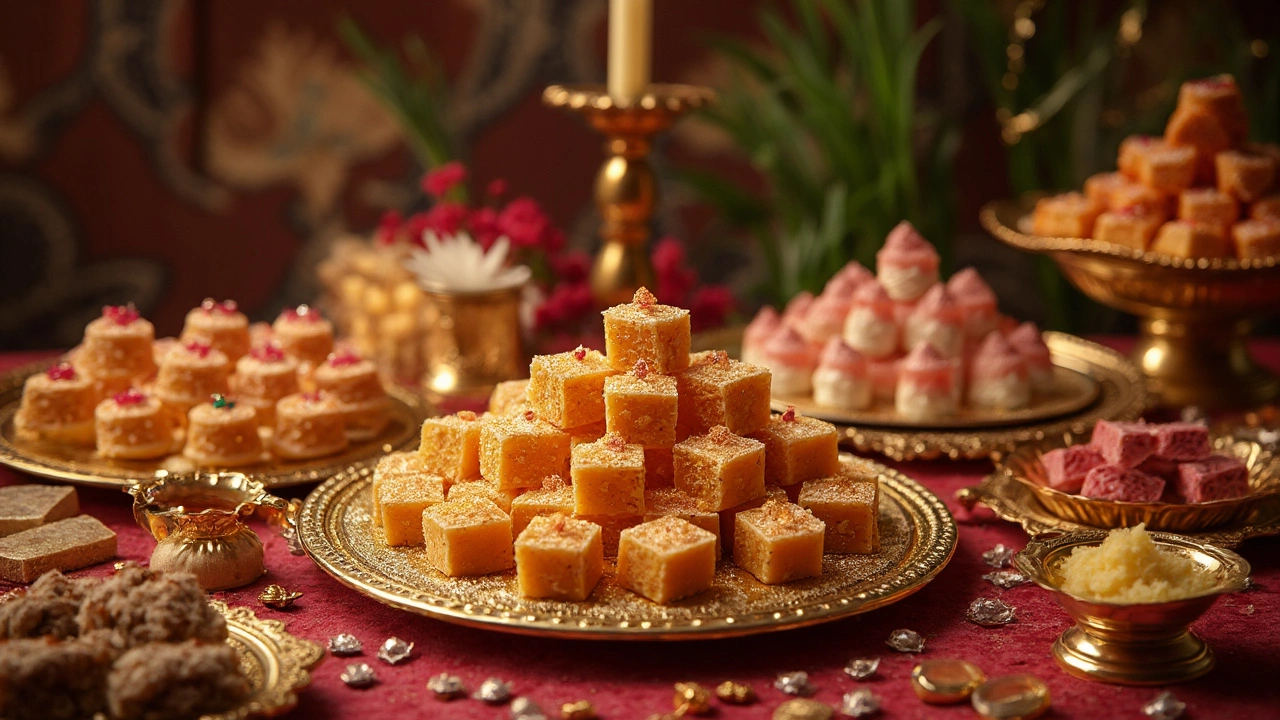
Discovering the Most Expensive Indian Sweet
Ever wondered which Indian sweet takes the crown for the most expensive one? Get ready to uncover the delightful and costly world of mithai where each sweet has a story to tell, especially when it comes with a hefty price tag. From rare ingredients to intricate preparation, learn what makes these sweets not just a treat for the taste buds but also a luxury. This article will guide you through the world of decadent Indian desserts, focusing on the priciest amidst this sugary diversity.
Read More