English Chutney: What It Is, How It's Made, and Why It Belongs in Indian Kitchens
When you think of chutney, you probably picture a spicy green paste made with mint and cilantro, or a sweet tamarind dip served with samosas. But English chutney, a sweet, tangy, and slow-cooked fruit condiment with vinegar, sugar, and spices. Also known as British-style chutney, it’s the quiet hero behind many Indian snack tables, especially in homes that grew up with colonial-era influences. It’s not Indian in origin, but it’s been adopted so completely that you’ll find it in kitchens from Mumbai to Madurai, tucked beside jars of mango pickle and yogurt raita.
What makes English chutney different? It’s not about heat—it’s about depth. Made with apples, plums, or mangoes, simmered for hours with brown sugar, vinegar, mustard seeds, and cinnamon, it’s the kind of thing that turns a simple plate of cheese toast or a plain dosa into something memorable. Unlike fresh chutneys that last a few days, English chutney keeps for months. That’s why it became popular in households where food was made in batches and stored. It’s a pantry staple, not a side dish. And while it might look like jam, it’s not sweet enough to eat on toast alone—it needs salt, spice, and something savory to balance it.
It pairs naturally with things you already love. Think of it as the missing link between your paneer tikka and your raita. It cuts through the richness of fried snacks like pakoras and adds a bright, complex note to plain rice or dal. You’ll find it in old recipe books from Anglo-Indian families, often passed down with notes like "add a pinch of cloves if you like it spicy" or "don’t skip the ginger—it’s what makes it pop." It’s also a great substitute when you don’t have fresh herbs or tamarind on hand.
The posts below dive into the real-world use of this condiment—not as a novelty, but as a working ingredient. You’ll find how it fits into everyday meals, what fruits work best, how to fix it when it’s too sweet or too sour, and why some families make it every monsoon. You’ll also see how it connects to other staples like paneer, dosa batter, and biryani raita. This isn’t about fancy cooking. It’s about using what you have, the way people actually cook at home.
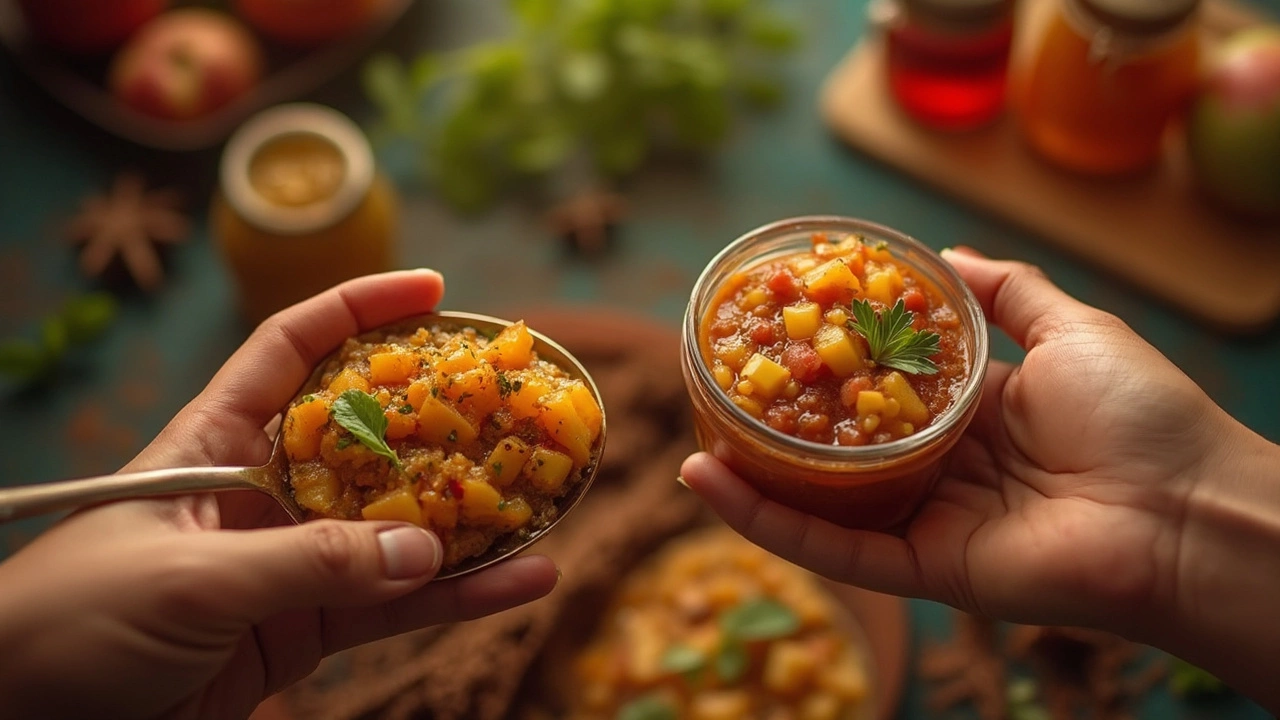
English Chutney: What Sets It Apart?
Ever wondered why English chutney tastes so different from Indian chutney? This article breaks down the story, the key ingredients, and how it became a British classic. If you're curious about how to make or use English chutney, here’s everything you need. Expect surprising facts, smart prep tips, and ideas for enjoying this tangy-sweet spread. Get ready to add some zing to your snack game.
Read More
What is Chutney to English Cooks?
Let's dig into the heart of chutney and why it’s found such a cherished spot in English kitchens. This tangy condiment has an intriguing journey from Indian origins to being a staple in UK homes. We’ll explore how English cooks have embraced and adapted chutney to suit their tastes and preferences. You’ll discover a few handy tips on making your own chutney, and ways to enjoy it with your meals. Whether you're a chutney enthusiast or just curious, we'll uncover some flavorful insights.
Read More