Digestibility of Dal: Why Some Lentils Are Easier to Digest Than Others
When we talk about the digestibility of dal, how easily your body breaks down lentils after eating them. Also known as lentil digestibility, it’s not just about how soft the dal is—it’s about how your gut handles the proteins, fibers, and natural compounds inside each type of lentil. Some dals, like moong dal, slide through your system smoothly. Others, like chana dal or urad dal, can leave you feeling bloated, gassy, or sluggish. It’s not you—it’s the dal. And the difference comes down to preparation, type, and your body’s ability to process them.
The soaking time, how long you let lentils sit in water before cooking. Also known as dal soaking, it’s one of the most powerful tools you have to improve digestion. Soaking for 6–8 hours isn’t just tradition—it’s science. It breaks down phytic acid and oligosaccharides, the compounds that cause gas and bloating. If you skip soaking, you’re forcing your gut to work harder. And the type of dal, the specific lentil variety you choose. Also known as lentil variety, it makes a huge difference. Moong dal is low in fiber and easy to break down. Urad dal is dense, high in protein, and slower to digest. Masoor dal sits right in the middle. Then there’s chana dal—big, chewy, and packed with fiber. It’s nutritious, yes, but not ideal if you’re eating it late at night or have a sensitive stomach.
It’s not just about what you eat—it’s about how you cook it. Pressure cooking breaks down fibers better than boiling. Adding a pinch of hing (asafoetida) or ginger helps your gut process the lentils faster. And pairing dal with rice? That’s not just cultural—it’s functional. Rice balances the protein and helps digestion move along smoothly. You don’t need fancy supplements or probiotics. Just the right dal, soaked well, cooked right, and paired simply.
That’s why you’ll find posts here about why eating dal at night can cause trouble, how long to soak different dals for the best texture, and what foods pair best with dal to make your meal easier on your stomach. These aren’t random tips—they’re backed by how real people cook and digest food every day in Indian kitchens. Whether you’re dealing with bloating after lunch, trying to make dal more digestible for kids or elders, or just curious why some dals feel lighter than others, the answers are here. No fluff. No myths. Just clear, practical advice from real cooking experience.
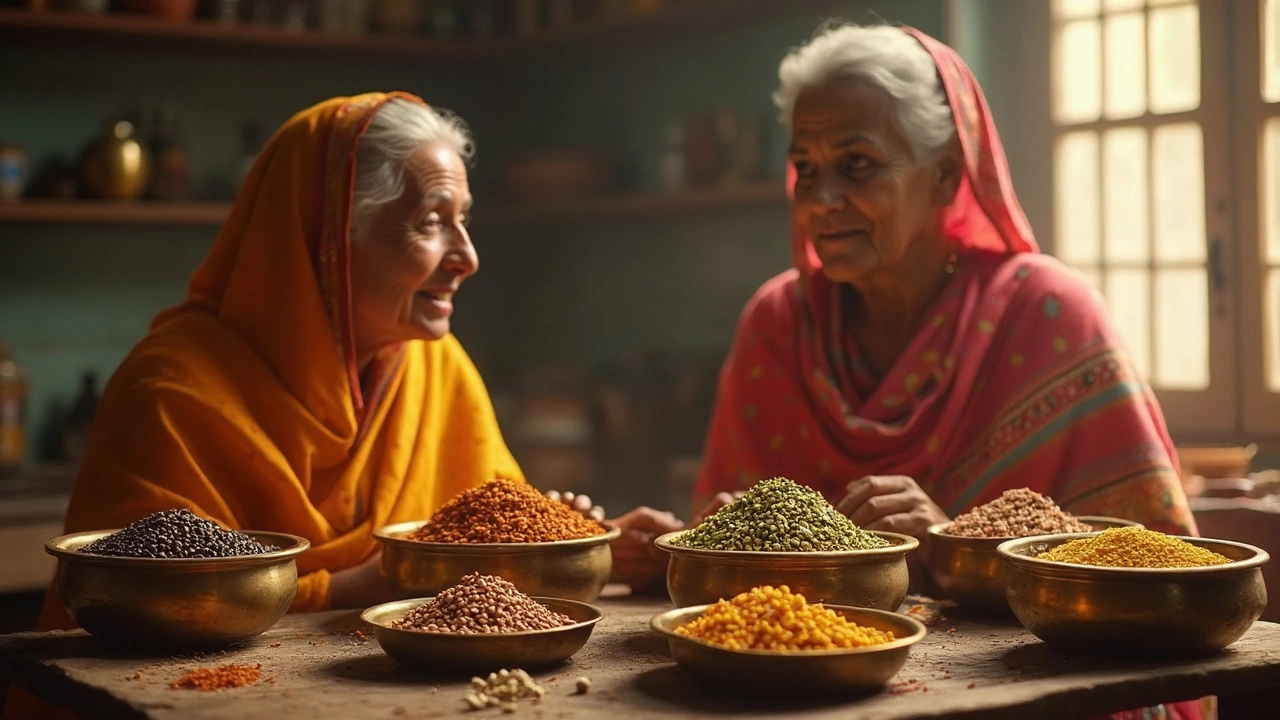
Which Dal Is Heavy to Digest? Simple Answers for Everyday Cooking
Ever wondered why some dals make you feel light, while others just sit in your stomach? This article breaks down which popular dals are heavy to digest and why. From toor dal to chana dal and moong, I’ll share tips, surprising facts, and even tricks from our grandmothers’ kitchens. Make your everyday dal easier on your tummy—no more groaning after dinner. You'll get the scoop on what to cook and how for a lighter, happier meal.
Read More