Dal Cooking Tips: Perfect Texture, Soaking Times, and Common Mistakes
When you cook dal, a staple lentil dish in Indian households made from split pulses like masoor, toor, or chana. Also known as lentils, it's one of the most nourishing and versatile foods in Indian kitchens. But even simple dal can go wrong—too mushy, too gritty, or bland—because of small mistakes most people don’t even notice. The truth? Dal isn’t just boiled water and lentils. It’s about timing, temperature, and technique.
One of the biggest issues? Skipping the soak. soaking dal, the process of letting lentils sit in water before cooking. Also known as pre-soaking, it’s not optional if you want tender dal that digests easily. Red lentils (masoor) need just 20 minutes. But yellow split pigeon peas (toor dal)? They want at least 30 to 45 minutes. Skip this, and you’ll end up with hard centers, even after an hour of simmering. And no, longer cooking won’t fix it—it’ll just turn your dal into glue. Then there’s the heat. Dal needs a slow, steady bubble, not a rolling boil. High heat breaks the lentils apart too fast, making them grainy instead of creamy. And don’t forget the tempering. A splash of hot oil with cumin, garlic, and dried chilies isn’t just flavor—it’s what turns dal from a side dish into a meal.
People also forget what to eat with dal. dal pairing, the art of matching lentils with rice, roti, pickles, or raita. Also known as dal accompaniments, it’s what makes the dish complete. A bowl of plain dal with white rice? Fine. But add a spoon of mango pickle, a dollop of cool yogurt, and a warm roti on the side? That’s when it becomes unforgettable. And if you’re cooking dal at night, know this: heavier dals like chana or rajma can sit in your stomach and mess with sleep. Lighter ones like moong dal? Much easier on digestion.
You’ll find posts here that cut through the noise. Learn exactly how long to soak each kind of dal so you never guess again. See why some people swear by adding a pinch of baking soda (and when it backfires). Find out how to fix watery dal without turning it into paste. And discover the one trick that makes dal taste richer without adding cream or butter. This isn’t about fancy ingredients. It’s about doing the basics right.
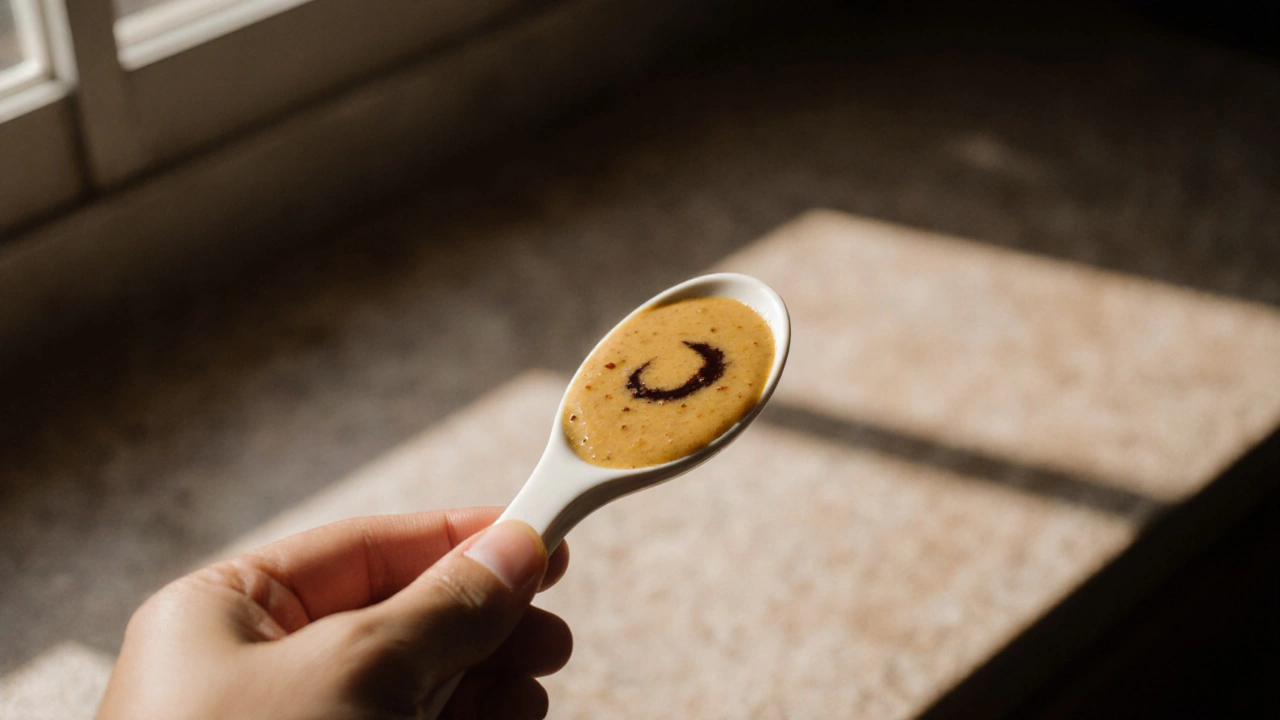
Why Is My Dal Bitter? Common Causes & Simple Fixes
Learn why dal can turn bitter, how to prevent it, and quick fixes to rescue a batch. Covers water quality, spices, cooking tips, and a handy checklist.
Read More