Curry Flavors: Discover the Bold Spices and Regional Secrets Behind India’s Best Curries
When you think of curry flavors, the complex, layered spice blends that define Indian cooking. Also known as Indian spice curries, it isn’t just one thing—it’s hundreds of variations, each shaped by region, family, and tradition. A curry isn’t a recipe. It’s a story told in turmeric, cumin, coriander, and chilies. Some are creamy and mild, like the butter chicken from Punjab, while others burn with the heat of dried red chilies from Andhra. The magic isn’t in one spice—it’s in how they’re toasted, ground, and layered.
What makes a curry taste like home? It’s the spice blend, the specific mix of ground spices unique to each household or region. In the north, garam masala adds warmth with cinnamon and cardamom. In the south, mustard seeds and curry leaves give a nutty, aromatic punch. And in the west, coconut and tamarind bring sweetness and tang. These aren’t random choices—they’re generations of trial and taste. Even the oil matters. Mustard oil in Bengal, ghee in Rajasthan, coconut oil in Kerala—each changes the flavor profile completely.
Then there’s the chicken curry, the most globally recognized Indian curry, known for its tender meat and rich tomato-based sauce. It’s not just popular—it’s the gateway for many to Indian food. But behind its creamy surface lies a careful balance: tomatoes for acidity, cream or yogurt for body, and slow-cooked spices for depth. Get any part wrong—the tomatoes too raw, the spices burned, the yogurt curdled—and the whole thing falls apart. That’s why so many posts here focus on fixing common mistakes, like overcooking the chicken or skipping the tempering step.
You’ll find posts that dig into why butter chicken earned its crown as the king of all curries, how to make paneer absorb flavor without turning rubbery, and why some curries taste better the next day. There are guides on pairing curries with rice or roti, how to adjust heat levels for kids or guests, and what to do when your curry tastes flat. No fluff. Just what works.
Curry flavors don’t come from a bottle. They come from patience—from toasting spices until they smell like heaven, from letting onions melt into syrup, from letting the sauce simmer long enough to become thick and soulful. The posts below cover every step of that journey. Whether you’re trying to recreate your grandmother’s recipe or making your first curry from scratch, you’ll find the answers here—not just the what, but the why.
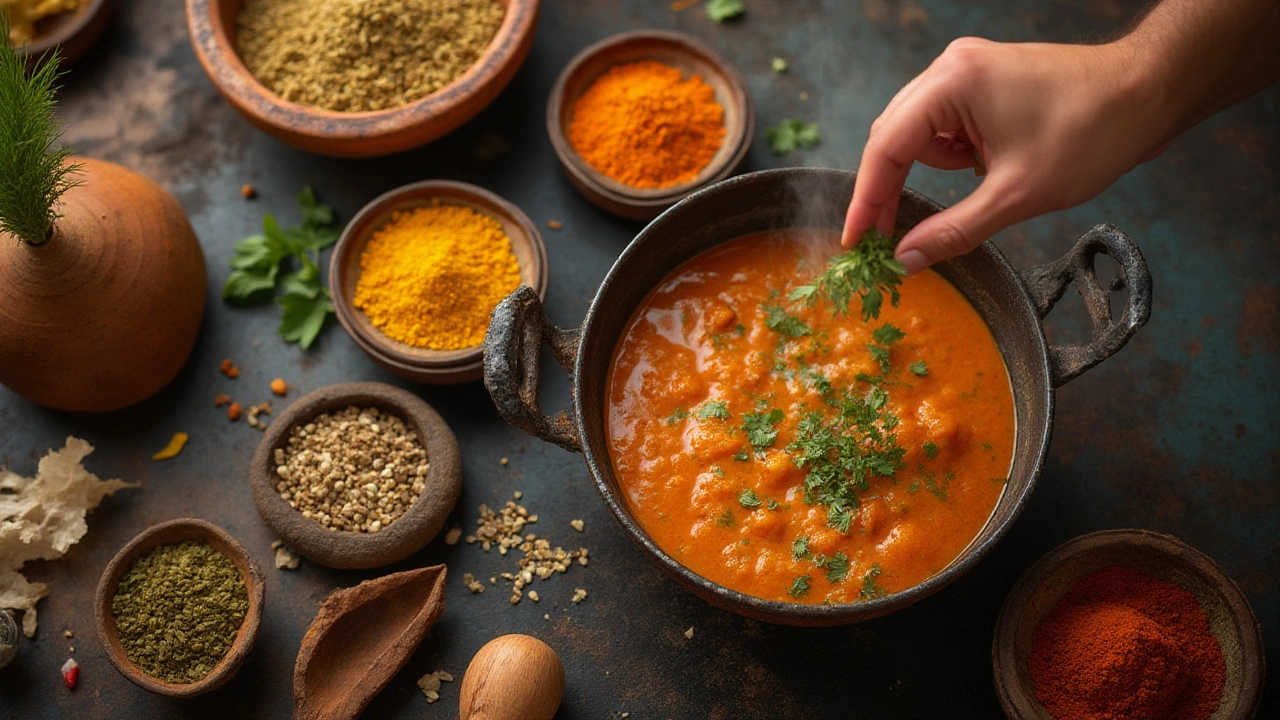
Secrets to Making Curry Taste Better: Flavorful Tips for Perfect Curry Every Time
Learn what truly makes curry more tasty, from spices and techniques to the chemistry behind flavor. Tips to improve your curry for that irresistible taste.
Read More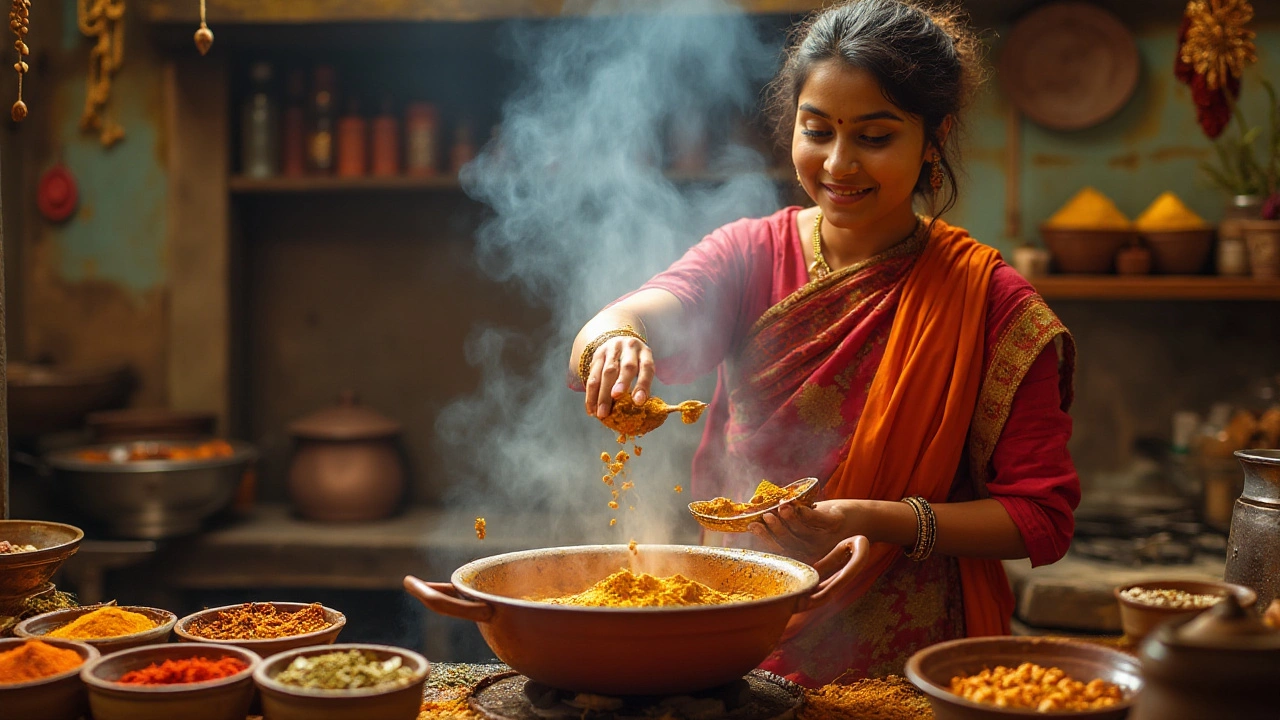
The Secret Ingredients for Flavorful Chicken Curry
While chicken curry is a beloved dish worldwide, the secret to making it truly unforgettable lies in enhancing its flavor profile. Learn how various spices, cooking techniques, and ingredients can elevate this classic dish. Discover how aromatic spices and unique blends create a depth of flavor that tantalizes the taste buds. This guide provides insights into achieving the perfect balance of ingredients in your chicken curry. Serve up a pot of curry that is rich, flavorful, and satisfying with these expert tips.
Read More