Curry Basics: Essential Ingredients, Techniques, and Common Mistakes
When you think of curry basics, the foundational methods and ingredients used to build flavorful Indian curries. Also known as Indian curry fundamentals, it's not just about spices—it's about layering flavor, controlling heat, and knowing when to add what. Most people assume curry is a single dish, but it’s really a whole system of cooking. From the tempering of mustard seeds in hot oil to the slow simmer of tomatoes and onions, every step matters. The magic happens in the balance—too much cumin, and it overwhelms; too little turmeric, and the color fades. You don’t need a fancy spice rack to start. Just a few core ingredients—cumin, coriander, turmeric, garam masala, and dried chilies—can turn simple vegetables or chicken into something deeply satisfying.
One of the biggest misunderstandings? Thinking curry needs hours to cook. While some versions like butter chicken do benefit from slow simmering, many everyday curries come together in under 30 minutes. The real secret isn’t time—it’s technique. curry ingredients, the essential spices, aromatics, and liquids used to build flavor in Indian curries must be added in the right order. Toasting whole spices before grinding them releases oils that powdered versions can’t match. Adding garlic and ginger after the onions soften prevents bitterness. And never skip the final stir-in of fresh cilantro or a splash of lemon—it’s what lifts the whole dish from good to great.
chicken curry, a popular Indian dish featuring tender chicken cooked in a spiced tomato-based sauce is often the gateway curry for home cooks. But even this simple recipe trips people up. Overcooking the chicken makes it rubbery. Using canned tomatoes instead of fresh ones changes the acidity and depth. And letting the sauce boil too hard? That’s how you end up with oily, separated gravy instead of rich, creamy sauce. The best curries aren’t complicated—they’re precise. They rely on small, repeatable actions: waiting for the oil to separate, stirring gently after adding yogurt, letting the spices bloom before adding liquid.
You’ll find posts here that break down exactly how to fix common problems—like why your curry tastes flat, or how to make paneer hold its shape in a spicy sauce. Others show you how to tweak the classics, like butter chicken or chicken tikka masala, so they’re just as good at home as they are in a restaurant. You’ll also learn what makes a curry truly Indian—not the cream or the butter, but the way spices are handled, how heat is controlled, and how each ingredient plays its part.
Whether you’re making a weeknight dal curry or a weekend special, the basics never change. Get those right, and you can adapt any recipe, use any protein, and still end up with something that tastes like home. The next time you open your spice jar, remember: it’s not about how many spices you have—it’s about how well you use them.
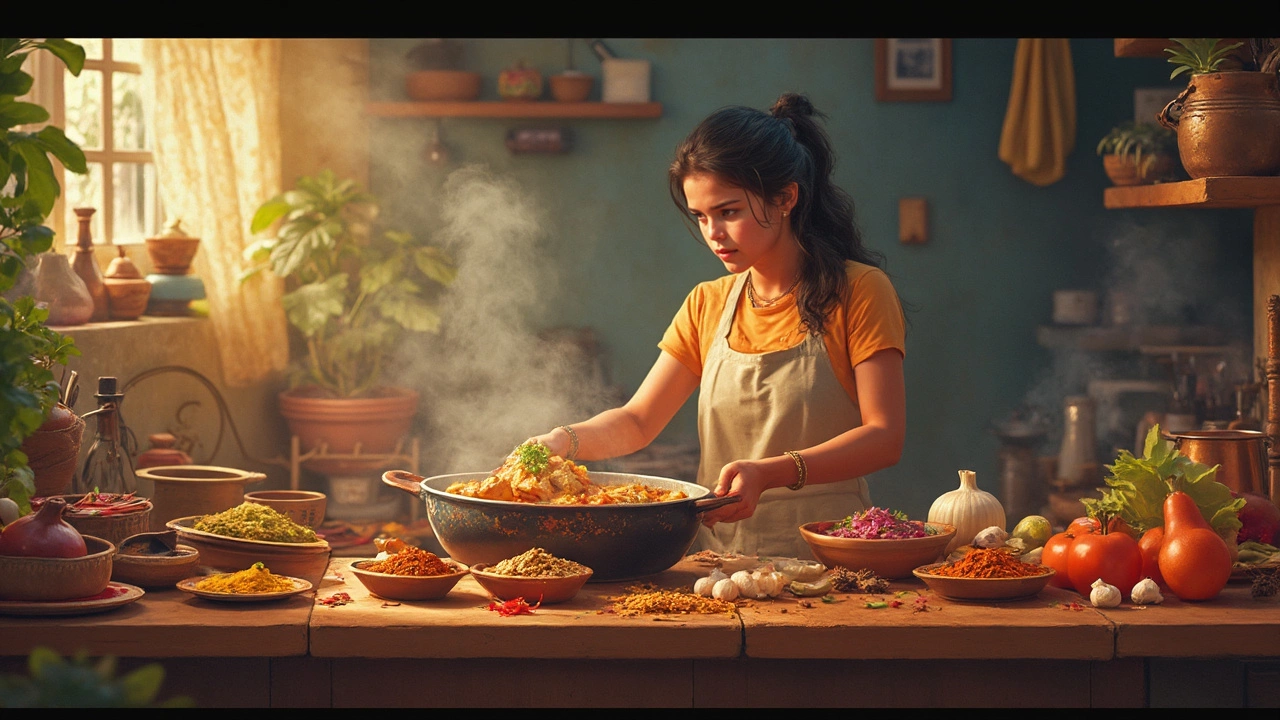
What Is Traditionally in Curry? Essential Ingredients for Chicken Curry Lovers
Curious about what makes a curry, well, curry? This article unpacks the typical ingredients that show up in traditional chicken curry recipes. You'll learn which spices and veggies are almost always in the mix and discover tips for nailing flavor at home. Perfect if you love chicken curry or are just starting to cook it. We'll keep things simple, practical, and totally un-fussy—no need for a kitchen full of hard-to-find stuff.
Read More