Culinary Traditions in India: Recipes, Rituals, and Regional Flavors
When you think of culinary traditions, the deep-rooted food practices passed down through generations in India. Also known as Indian food heritage, it’s not just about what’s on the plate—it’s about why it’s prepared that way, who made it first, and how it connects people to their land, faith, and history. These aren’t just recipes. They’re living stories. From the slow fermentation of dosa batter in South India to the careful layering of spices in a biryani that’s been cooked the same way for over 200 years, every dish carries meaning. And it’s not just taste—it’s timing, temperature, even the type of clay pot used.
Take Jain dietary restrictions, a spiritual food code rooted in non-violence that avoids root vegetables like carrots and potatoes. Also known as Jain vegetarianism, it’s one of the most unique food systems in the world—not because it’s restrictive, but because it’s deeply intentional. Jains don’t eat these foods because they believe pulling a carrot from the ground harms tiny life forms in the soil. This isn’t a diet trend. It’s a daily act of reverence. Meanwhile, in homes across North India, traditional Indian sweets, like gulab jamun, rasgulla, and jalebi, made with milk, sugar, and cardamom. Also known as Indian desserts, it’s a tradition tied to festivals, weddings, and even quiet Sunday afternoons. These aren’t just snacks—they’re offerings, rewards, and symbols of joy. And then there’s the biryani, a dish so layered in technique and history that it’s almost a science. The right rice, the perfect dum cooking, the balance of spices—it’s not just cooking. It’s ritual.
These traditions aren’t frozen in time. They’re adapted, questioned, and sometimes challenged. Why do some avoid dal at night? Why does dosa batter turn sour? Why is butter chicken called the king of curries? These aren’t random questions—they’re the result of centuries of observation, trial, and cultural memory. You’ll find answers here, not in textbooks, but in real kitchens, from grandmothers to street vendors, from Jain households to busy Mumbai homes. Whether it’s knowing which acid makes the best paneer or why yeast ruins dosa batter, every post below is a piece of this living puzzle. You’re not just reading recipes. You’re stepping into a kitchen where every ingredient has a story, and every step has a reason.
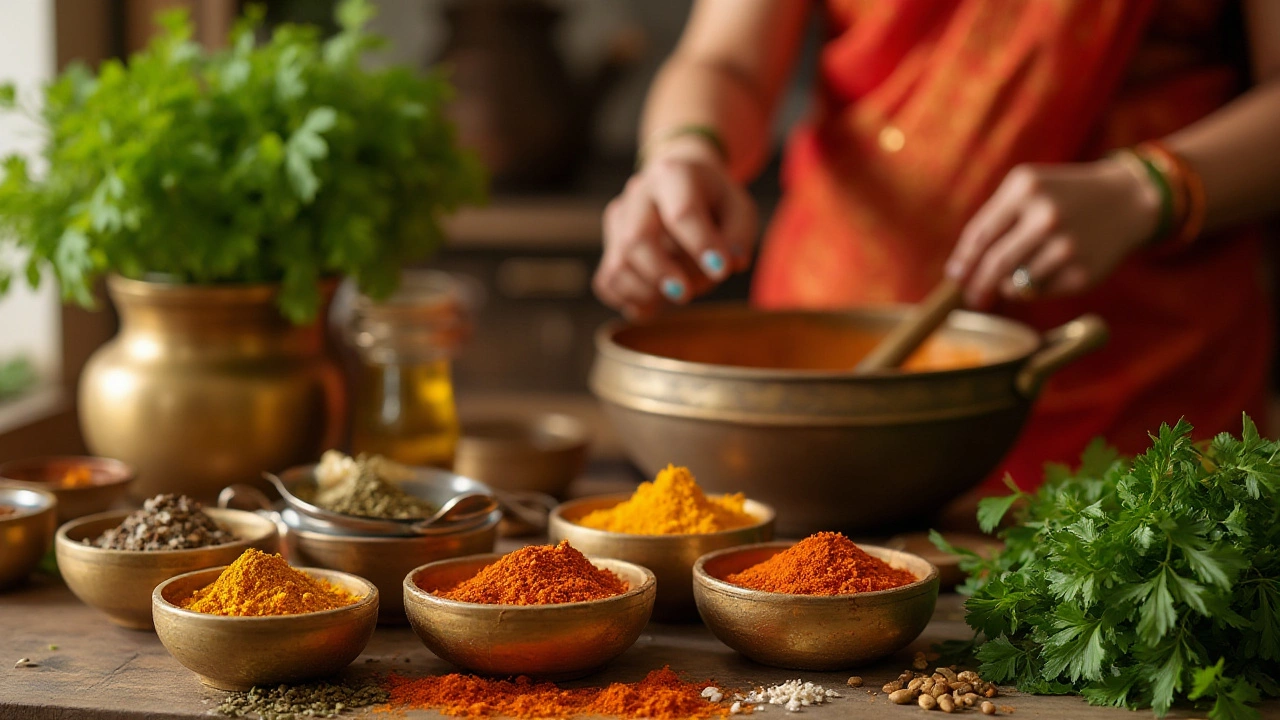
Why Some Vegetarians Avoid Garlic in Indian Cuisine
Garlic, a staple in many Indian dishes, is often avoided by certain vegetarians due to cultural and spiritual reasons. This article explores the historical and religious contexts that lead to this avoidance and highlights the significance of garlic in different vegetarian diets. Readers will learn about alternative spices and ingredients used in Indian cuisine to replace garlic, as well as tips on preparing garlic-free vegetarian dishes. Understanding the diverse vegetarian practices can enhance cooking for diverse dietary preferences.
Read More