Childhood Treats: Nostalgic Indian Sweets and Snacks Everyone Remembers
When you think of childhood treats, sweet, sticky, often milk-based snacks that bring back memories of festivals, school breaks, and grandmother’s kitchen. Also known as Indian sweets, these aren’t just desserts—they’re emotional anchors tied to joy, celebration, and simple moments. For millions in India, a single bite of gulab jamun, soft, fried dough balls soaked in sugar syrup, often served at weddings and Diwali instantly takes you back to a time when the biggest worry was whether you’d get the last piece.
These treats aren’t random snacks. They’re made with ingredients that were always in the pantry—milk, sugar, cardamom, ghee. rasgulla, spongy cheese balls in light syrup, a staple in Bengal and beyond, and jalebi, crispy, orange swirls of fermented batter fried and drenched in syrup were never bought from a store. They were made slowly, with patience, by someone who knew exactly how long to fry them or when the syrup was just right. That’s why they taste different now. Modern shortcuts can’t copy the love baked into them.
These childhood treats weren’t just about sugar. They were about connection. A plate of barfi, dense milk fudge flavored with nuts and rose, often cut into squares meant someone had spent hours stirring a pot on low heat. A bowl of kheer, rice pudding made with milk, cardamom, and saffron, often served at temple visits and family gatherings meant it was a special day. These weren’t desserts you ate after dinner—they were the reason you looked forward to dinner.
Even today, when you see a vendor selling hot jalebi on a cold morning, or your aunt brings homemade rasgulla to a family get-together, you know something deeper is happening. These treats carry stories—of monsoons, of festivals, of mothers waking up before dawn to prepare them. They’re the reason Indian households still make milk-based sweets by hand, even when packaged ones are cheaper. Because some things aren’t meant to be fast. They’re meant to be remembered.
Below, you’ll find real stories, fixes, and recipes tied to these sweet memories—from why dosa batter ferments the way it does, to how to make paneer that’s perfect for sweet dishes, to the exact reasons why certain sweets are tied to specific festivals. No fluff. Just the truths behind the sugar.
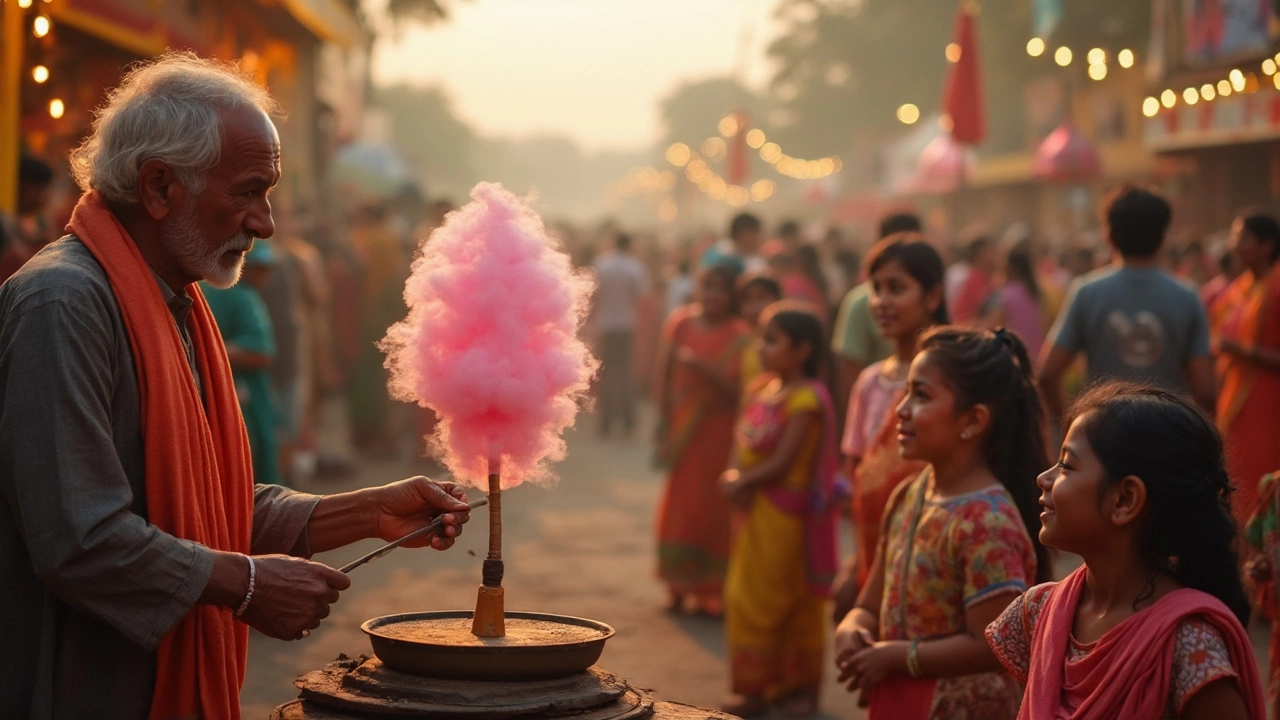
Indian Candy Floss: The Sweet Story Behind This Fun Dessert
Indian dessert candy floss, often called buddhi ke baal or sweet cotton, is spun sugar that's light, airy, and loved at fairs and festivals. This guide digs into the history, names, and how this nostalgic treat is made. You'll get tips to make it at home, learn about regional twists, and even some quirky facts. No tricky steps, just a sweet deep dive into an Indian fairground favorite. Find out what makes it a timeless hit from childhood to today.
Read More