Breakfast in India: Traditional Morning Meals and Regional Specialties
When you think of breakfast in India, a vibrant, region-specific spread of hot, fresh, and often dairy-rich foods eaten early in the day. Also known as morning meal in Indian households, it’s not just food—it’s a ritual tied to climate, culture, and daily rhythm. Unlike Western toast-and-coffee starts, Indian breakfasts are hearty, often cooked fresh daily, and built around staples like rice, lentils, millet, and above all—milk, a foundational ingredient used in curd, paneer, kheer, and even fermented batters. From the southern states where dosa batter ferments overnight to the north where parathas are stuffed with spiced potatoes, every region has its own signature morning dish shaped by local crops and traditions.
Dosa, a thin, crispy fermented crepe made from rice and lentils, is more than a breakfast item—it’s a daily staple across South India. Its tangy flavor comes from natural lactic acid bacteria, not yeast, and it’s served with coconut chutney and sambar. Meanwhile, in Punjab and Haryana, paneer, fresh homemade cheese made by curdling milk with lemon juice or vinegar shows up in parathas, sandwiches, or even sweetened with sugar and cardamom. Even in cities, you’ll find street vendors selling hot puris with aloo sabzi or steaming bowls of poha—flattened rice cooked with mustard seeds, turmeric, and peanuts. These aren’t trends. They’re generations-old practices passed down because they work: they’re filling, digestible, and use ingredients that stay fresh without refrigeration.
What makes breakfast in India so different isn’t just the food—it’s how it’s made. Fermentation isn’t a trendy buzzword here; it’s a necessity for flavor and digestibility. Soaking dal for the right amount of time, using the perfect acid to curdle milk into soft paneer, letting batter rest overnight—these aren’t optional steps. They’re the reason your dosa crisps up, your raita cools your palate, and your kheer stays creamy without cream. You won’t find many Indian households using pre-made pancake mix. Instead, they start with rice, dal, milk, and patience. And that’s why the morning meal here feels so alive.
Whether you’re eating idli with sambar in Chennai, jalebi with chai in Delhi, or upma with grated coconut in Karnataka, you’re tasting history, geography, and family tradition in every bite. Below, you’ll find real stories from real kitchens—how to fix soggy dosa batter, why some people avoid eating dal at night, and how to turn slightly sour milk into fresh paneer without wasting a drop. These aren’t just recipes. They’re the quiet, daily wisdom of Indian homes.
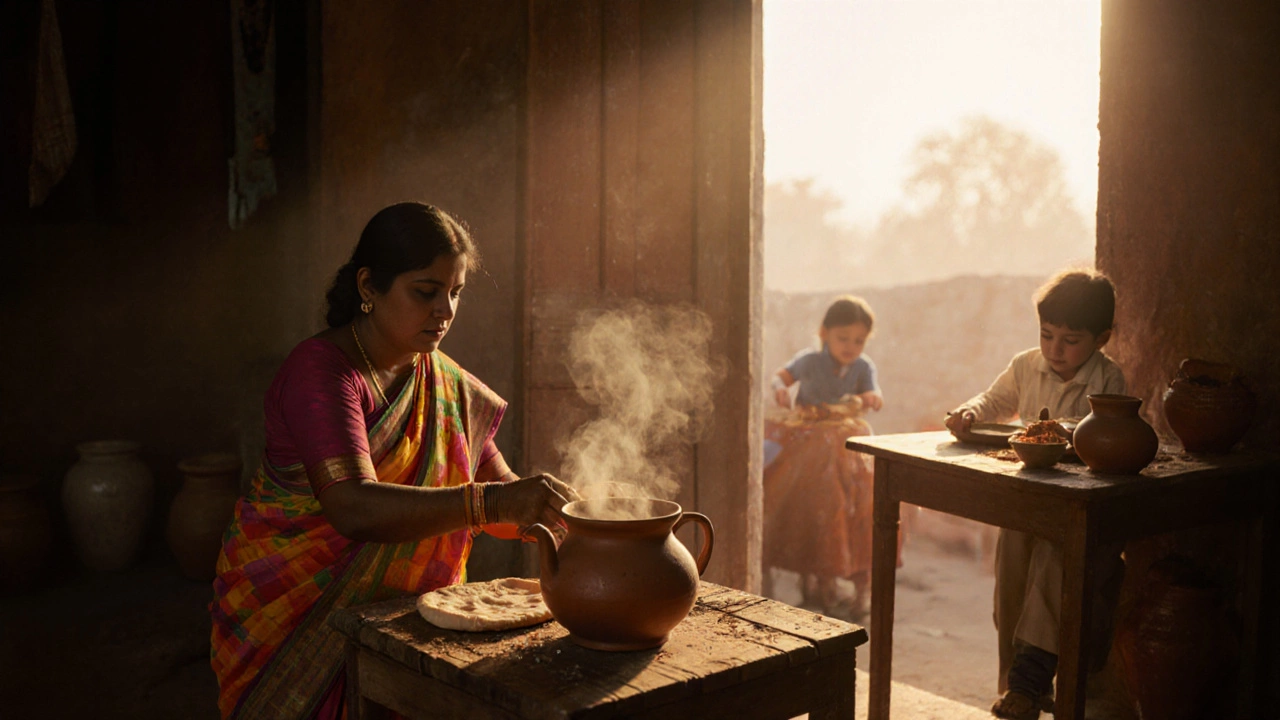
Why Breakfast Matters in Indian Households
Breakfast in India isn't just a meal-it's a vital source of energy, nutrition, and cultural connection. From idlis to poha, traditional morning meals fuel long workdays and support long-term health.
Read More