Bad Stomach India: Safe Eating Tips and Common Causes
When you get a bad stomach India, a common digestive issue travelers and locals face after eating local food. It’s not always the food itself—it’s often how it’s handled, stored, or prepared. Many people blame spicy food or unfamiliar spices, but the real culprits are usually contaminated water, undercooked proteins, or food left sitting out too long in the heat.
Food poisoning prevention, the practice of avoiding harmful bacteria and toxins in meals is simpler than you think. Stick to hot, freshly cooked food. If it’s been sitting on a counter for hours, skip it. Street food isn’t dangerous by default—vendors who cook in front of you, use clean utensils, and serve piping hot dishes are usually safe. Look for long lines; if locals are waiting, they know what works.
Safe street food India, the variety of quick, flavorful meals sold by roadside vendors can be part of your best travel experience—if you know what to pick. Opt for fried items like samosas or pakoras, where high heat kills germs. Avoid raw salads, unpeeled fruit, and drinks with ice unless you’re sure it’s made from bottled water. Even yogurt-based sides like raita are usually fine if served cold but fresh.
Some Indian dishes naturally cause discomfort because of how they’re made. Lentils like urad dal, if not soaked long enough, can lead to bloating. Fermented foods like dosa batter are healthy for most—but if the batter sits too long or isn’t stored right, it can turn sour in a bad way. And while paneer is gentle on the stomach, if it’s made with low-quality milk or curdled with dirty acid, it becomes a risk.
People who get sick often think it’s the spices. It’s not. Chili peppers don’t cause infections—they help kill bacteria. The problem is hygiene, not flavor. Travelers who drink bottled water, wash their hands before eating, and avoid tap water in ice or brushing teeth rarely get sick. Locals build tolerance over time, but newcomers need to be smart, not scared.
If you do get a bad stomach India, don’t panic. Stay hydrated. Eat plain rice, toast, or boiled potatoes. Skip dairy, oil, and sugar until you feel better. Most cases clear up in 24–48 hours. But if you have fever, bloody stool, or vomiting for more than a day, seek help.
Below, you’ll find real, practical advice from people who’ve been there—how to pick safe food, what to avoid at night, why some dals cause trouble, and how to enjoy Indian meals without the fear. No guesswork. Just clear, tested tips.
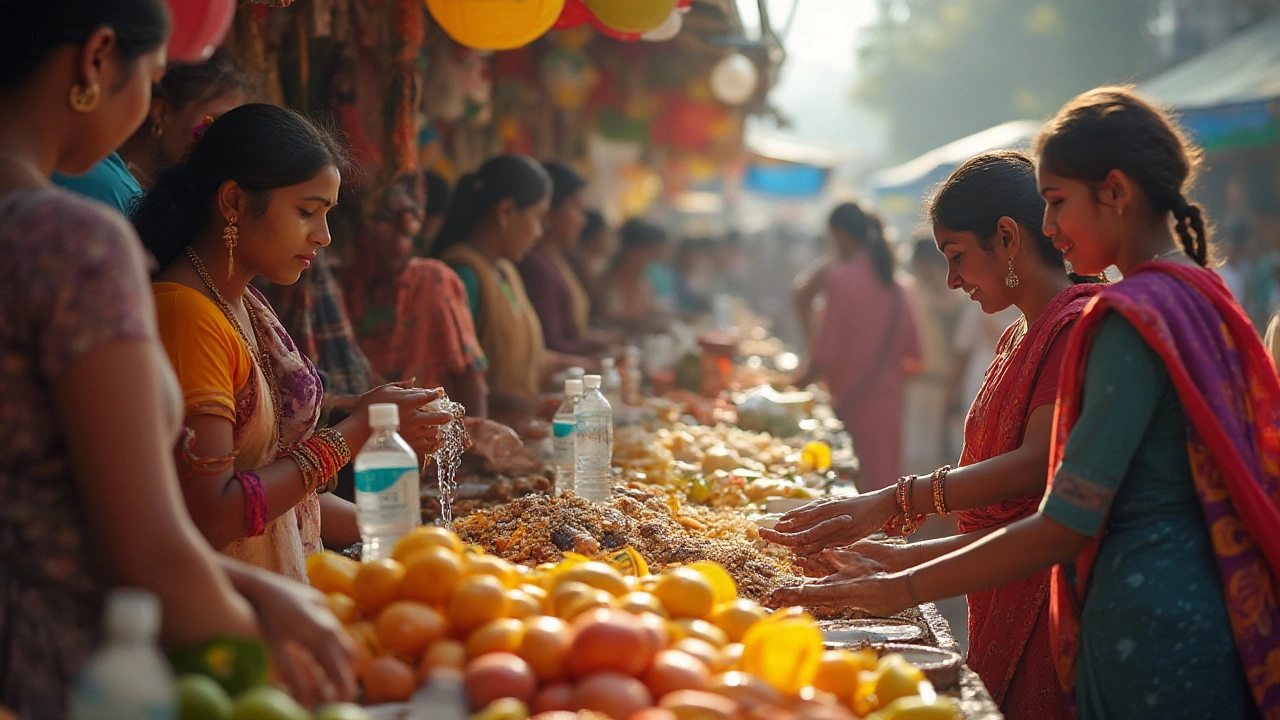
Smart Ways to Prevent Stomach Problems While Traveling in India
Discover practical tips for avoiding a bad stomach while visiting India. Get real advice on staying healthy, eating safely, and what to watch out for with local foods.
Read More