Authentic Chicken Curry: Real Recipes, Simple Secrets
When you think of authentic chicken curry, a rich, spiced stew made with tender chicken, onions, tomatoes, and a blend of whole and ground spices slow-simmered to depth. Also known as Indian chicken curry, it’s not just a dish—it’s the backbone of countless family meals across India, from village kitchens to city apartments. This isn’t the creamy, mild version you find in some Western restaurants. Real chicken curry starts with mustard oil or ghee, toasted cumin and coriander seeds, dried red chilies, and turmeric. It’s the kind of curry that fills your whole house with smell and makes you want to eat it with your fingers.
The magic isn’t in fancy ingredients—it’s in how they’re used. curry spices, a dynamic mix of whole and ground aromatics like fenugreek, cardamom, cloves, and asafoetida, each added at the right moment to build layers don’t just flavor the chicken—they transform it. You don’t throw them all in at once. You bloom them in hot oil. You fry them until they release their scent. That’s when the real cooking begins. And then there’s the traditional Indian curry, a cooking method passed down through generations, where patience beats speed, and simmering for hours pulls out the soul of the spices. No shortcuts. No powdered pastes from a jar. Just fresh garlic, ginger, onions, tomatoes, and time.
What sets authentic chicken curry apart isn’t heat—it’s balance. A touch of tamarind for sourness, a pinch of jaggery for sweetness, a splash of coconut milk or yogurt for creaminess without heaviness. It’s served with steamed rice, roti, or even plain bread soaked in the gravy. And every region has its own version: South India uses coconut and curry leaves, North India leans on cream and kasuri methi, and the East adds mustard paste and poppy seeds. But they all share the same truth: if it doesn’t taste like it was made with care, it’s not authentic.
You’ll find posts here that cut through the noise. No fluff. No gimmicks. Just real talk about what works—and what doesn’t. Learn why some recipes fail because they skip tempering spices, why using pre-ground pepper ruins the depth, and how a single wrong spice can turn a great curry into something flat. You’ll see how to fix watery curry, how to make the chicken fall-off-the-bone tender, and why letting it rest overnight makes it better. This isn’t about impressing guests. It’s about cooking food that tastes like home.
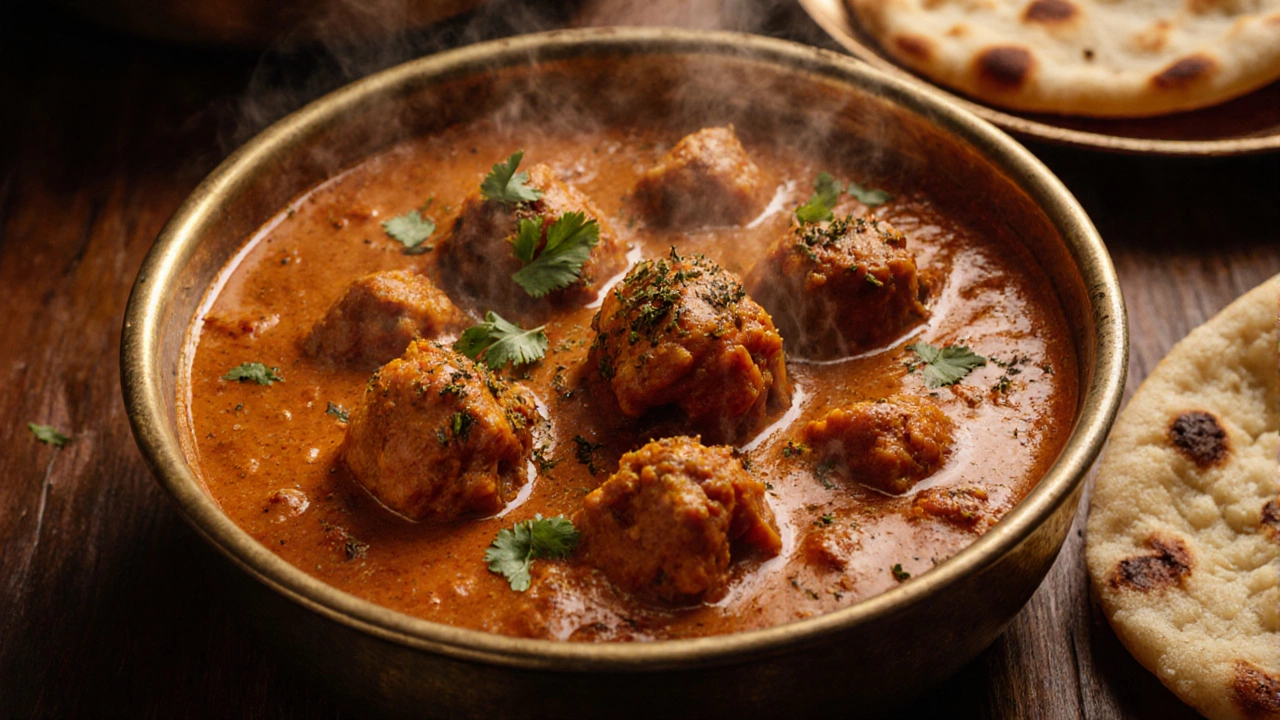
What Is the King of All Curries? The Truth About Chicken Curry
Butter chicken is widely considered the king of all curries for its rich, creamy tomato sauce and tender chicken. Learn how to make it authentically at home, avoid common mistakes, and understand why it beats every other curry in popularity.
Read More