Curry Spice Layer Builder
Select the spices you have available to generate a personalized layering strategy for your chicken curry.
Your Flavor Profile:
Cooking Steps:
Pro Tips:
Timing Guide:
Ever opened a jar labeled "Curry Powder" and wondered why your dish still didn't taste like the restaurant version? You aren't alone. Most home cooks hit this wall because they think curry is one single spice. It isn't. Curry is a symphony, and if you only have one instrument playing, the song falls flat. When we talk about what makes a popular curry spice, we are really talking about the specific ingredients that build flavor layers in dishes like chicken curry.
I’ve spent years testing recipes right here in my Bristol kitchen, moving away from generic blends toward individual spices. The difference is night and day. Let’s break down exactly which spices matter most, how they work together, and how to use them to make a chicken curry that actually tastes authentic.
The Foundation: Turmeric and Its Golden Role
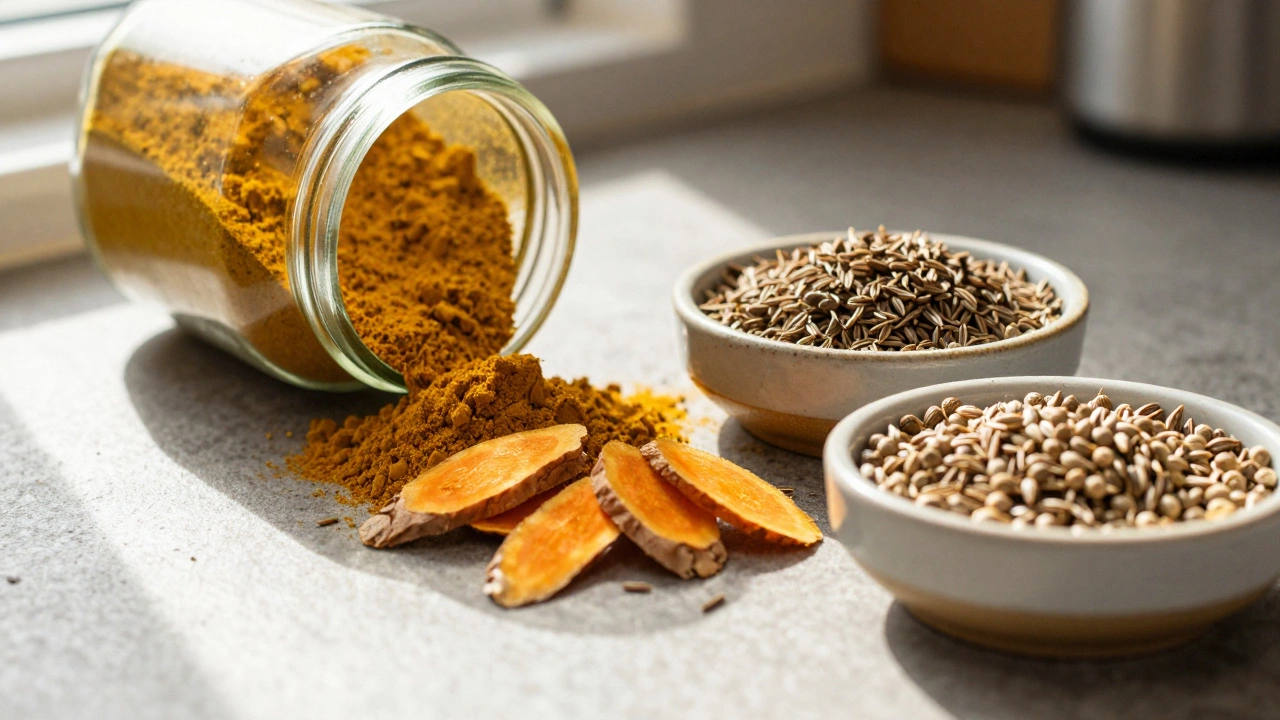
Turmeric is a bright yellow root spice that provides color, earthiness, and anti-inflammatory properties to Indian cooking. If you look at any traditional chicken curry, it likely has a distinct golden hue. That comes from turmeric.
Turmeric isn't just for looks. It adds a warm, slightly bitter, earthy note that grounds the other flavors. Without it, your curry might taste sweet or spicy, but it won't feel "complete." Think of turmeric as the canvas for your painting. You need it before you add the brighter colors.
- Flavor Profile: Earthy, mildly bitter, peppery.
- Best Used In: Almost every savory Indian dish, especially curries and rice.
- Pro Tip: Add it early in the cooking process, after sautéing onions, so the heat blooms its flavor. Don't burn it, or it turns bitter.
The Aromatic Base: Cumin and Coriander
If turmeric is the canvas, cumin and coriander are the primary strokes. These two seeds are the backbone of almost every Indian household's pantry. They provide the aromatic depth that hits you first when you lift the lid of a pot.
Cumin (Jeera) is a seed with a warm, nutty, and slightly smoky flavor that is essential for building the base of curries.
Coriander (Dhaniya) is a citrusy, floral seed that balances the heaviness of meat and adds brightness to sauces.
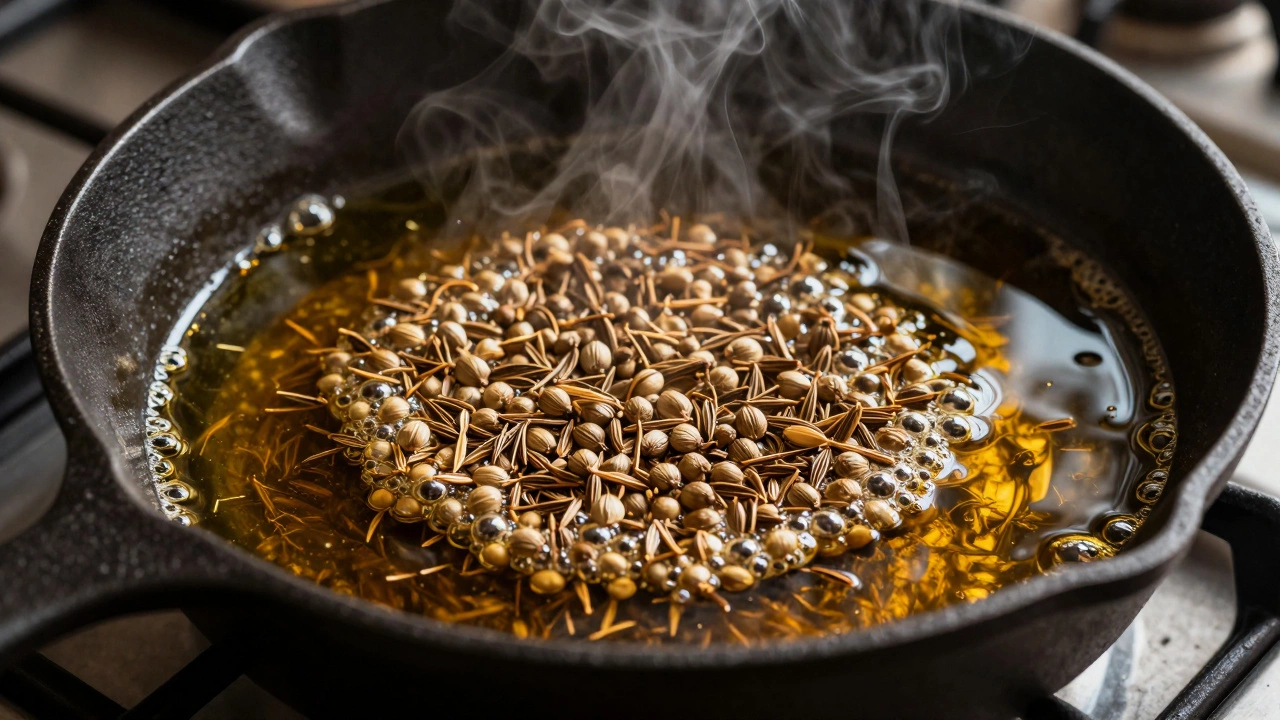
Here is the trick most people miss: buy them whole. Grinding them yourself releases oils that pre-ground powder simply can't match. For a chicken curry, I usually toast one teaspoon of cumin seeds and two teaspoons of coriander seeds in dry pan until they smell fragrant, then grind them coarsely. This fresh powder changes everything.
| Spice | Flavor Note | Role in Curry |
|---|---|---|
| Cumin | Nutty, Smoky | Provides warmth and depth |
| Coriander | Citrusy, Floral | Adds brightness and balance |
The Heat Factor: Chili and Black Pepper
Heat isn't just about pain; it's about sensation. In a popular curry spice mix, chili provides the immediate kick, while black pepper offers a lingering, sharp warmth. Many beginners rely solely on red chili powder, but adding freshly cracked black pepper elevates the complexity significantly.
Kashmiri red chilies are my go-to for chicken curry. They give a vibrant red color without overwhelming heat. If you want actual fire, use Guntur or Byadgi chilies. Remember, chili powder absorbs oil. If you add it to water, it stays raw and harsh. Always cook your chilies in hot oil or ghee for at least 30 seconds to release their capsaicin gently.
The Magic Finisher: Garam Masala
Now we get to the star that often gets misused. Garam Masala is a blend of warming spices like cardamom, cloves, cinnamon, and black pepper used to finish dishes.
The biggest mistake? Adding it at the start. Garam masala contains delicate spices like cardamom and mace. If you boil them for 45 minutes, they lose their aroma and turn muddy. Garam masala is a finishing spice. Sprinkle it over your chicken curry in the last two minutes of cooking, or even just before serving. This preserves the volatile oils that make your kitchen smell incredible.
A typical homemade garam masala includes:
- Green Cardamom pods
- Cloves
- Cinnamon sticks
- Black Peppercorns
- Nutmeg (just a pinch)
Building Your Own Blend: No More Jars
You don't need ten different jars on your shelf. To make a great chicken curry, focus on these five core entities:
- Turmeric: For color and earthiness.
- Cumin: For nutty warmth.
- Coriander: For citrus balance.
- Chili: For heat and color.
- Garam Masala: For aromatic finish.
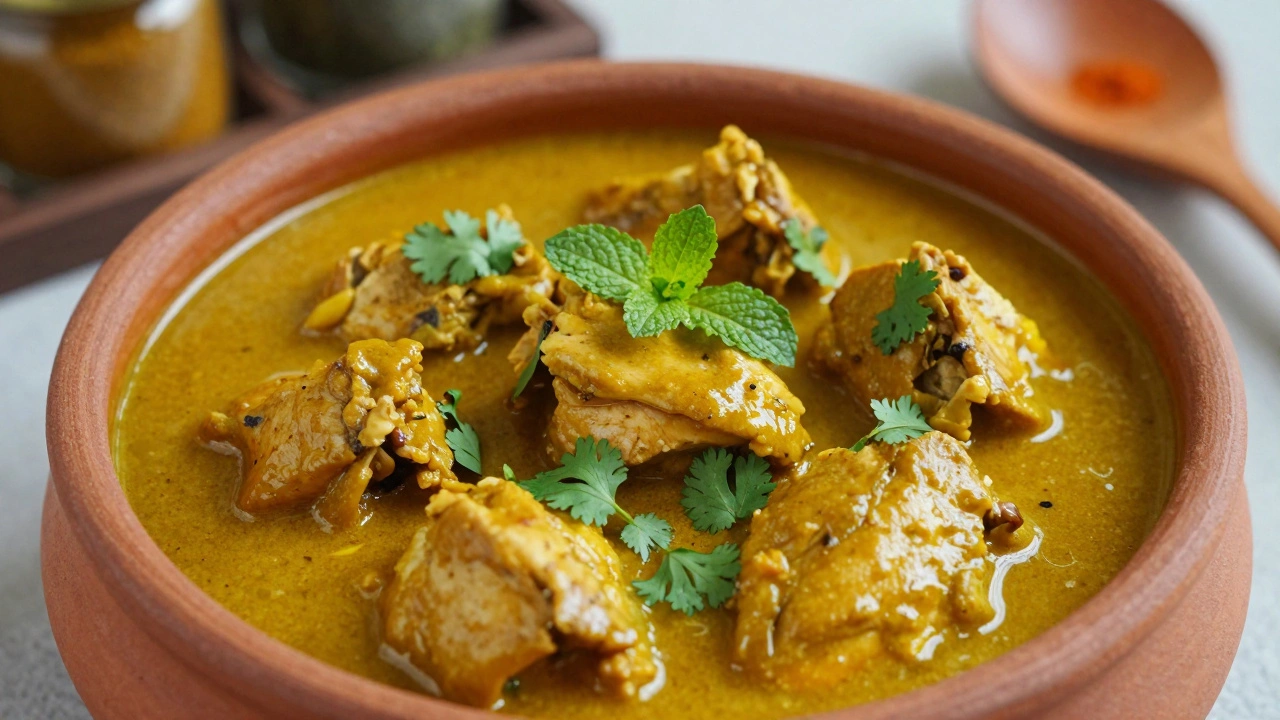
When you cook chicken, marinate it with yogurt, ginger-garlic paste, and half of your ground cumin-coriander-turmeric mix. Cook the onion-tomato base with the remaining spices. Finish with garam masala and fresh cilantro. This method ensures every bite has layers of flavor rather than a one-note punch.
Fresh Herbs: The Final Touch
Spices are dried powerhouses, but fresh herbs bring life back into the dish. Cilantro (coriander leaves) and mint are non-negotiable in many British-Indian kitchens. Chop them finely and stir them in off the heat. The chlorophyll breaks down quickly, so adding them too early kills the green color and fresh scent.
Is curry powder the same as garam masala?
No, they are very different. Curry powder is a Western invention, often containing turmeric, coriander, and cumin, designed as an all-in-one blend. Garam masala is a traditional Indian blend of warming spices like cardamom, cloves, and cinnamon, used primarily as a finishing spice. Using curry powder instead of individual spices will result in a flatter, less complex flavor profile.
Why does my chicken curry taste bland?
Blandness usually comes from not blooming the spices. Spices need fat and heat to release their essential oils. If you add powdered spices directly to water or low-heat liquid, they remain dormant. Always sauté your ground spices in hot oil or ghee for 30-60 seconds before adding liquids. Also, ensure you are using fresh spices; old spices lose potency within 6-12 months.
Can I substitute fresh ginger and garlic with powder?
While possible, it is not recommended for authentic results. Fresh ginger and garlic provide moisture, pungency, and a brightness that powders lack. Powders can also carry anti-caking agents that alter texture. For the best chicken curry, grate fresh ginger and crush fresh garlic cloves. If you must use powder, use half the amount called for fresh, as it is more concentrated.
How long do whole spices last compared to ground ones?
Whole spices last much longer-typically 2 to 4 years if stored in a cool, dark place. Ground spices lose their volatile oils rapidly and should be used within 6 months. For the best flavor, buy whole cumin, coriander, and mustard seeds, and grind them in small batches using a coffee grinder or mortar and pestle.
What is the role of asafoetida (hing) in curry?
Asafoetida is a resinous gum that mimics the flavor of onions and garlic. It is particularly important in vegetarian cooking where onion/garlic might be omitted for religious reasons. In chicken curry, a tiny pinch (less than 1/8 teaspoon) adds a savory umami depth. However, it is potent; too much will overpower the dish with a sulfurous taste.