Cooking Tips and Techniques for Indian Kitchen Success
When you’re trying to make Cooking Tips and Techniques, practical methods used to improve everyday cooking results in Indian kitchens. Also known as kitchen hacks, these aren’t just tricks—they’re the quiet science behind why some meals taste like home and others fall flat. Whether you’re struggling to get paneer to set right or your roti turns out tough after five minutes, the problem isn’t your skill—it’s missing the right technique.
Take paneer making, the process of curdling milk to create fresh Indian cottage cheese. It’s not just about adding acid to milk. The temperature, the type of acid, even the fat content of the milk changes everything. Lemon juice gives a clean taste but can make paneer grainy. Vinegar? Faster curdling, but leaves a tang. Citric acid? Consistent, professional results. And if your milk won’t curdle at all, it’s not broken—it’s just not ready. Heat matters. Freshness matters. And yes, even the water you use can stop curdling.
Then there’s roti softness, how to keep Indian flatbreads tender for hours after cooking. Oil helps, yes—but only if you use it right. Rubbing it on the dough before rolling? Too much and it turns greasy. Brushing it on after cooking? That’s the secret. And storing them stacked with a cloth between? That’s what keeps them soft for hours, not the plastic wrap you’re probably using. Same goes for milk curdling, unwanted separation of milk into solids and liquid. It’s not always bad. Sometimes, it’s how you make paneer from slightly sour milk. Other times, it’s ruining your curry or kheer. Knowing the difference? That’s the tip.
And don’t get me started on Indian spice blends, custom mixes of ground spices used to flavor dishes like garam masala. Most people throw in cardamom, cloves, cinnamon, and call it done. But what about black pepper? Nutmeg? Fennel? Some belong. Some don’t. And if your dal tastes bitter, it’s not the lentils—it’s the spices you toasted too long, or the water you boiled it in. These aren’t guesses. These are fixes backed by years of home cooks getting it right, one batch at a time.
You’ll find all of this here—no fluff, no theory, just what works. How much paneer you actually get from a gallon of milk. Why your dosa batter won’t ferment in winter. What spices to never put in garam masala. How to rescue dry biryani with milk. Whether expired milk can make yogurt (yes, if you know how). These aren’t random posts. They’re the answers you’ve been searching for, gathered from kitchens where people cook every day, not just on weekends.
Below, you’ll find real fixes for real problems. No magic. No fancy gadgets. Just clear, step-by-step advice from people who’ve been there—burnt the milk, broke the roti, ruined the curry—and figured it out. Let’s get your kitchen working like it should.
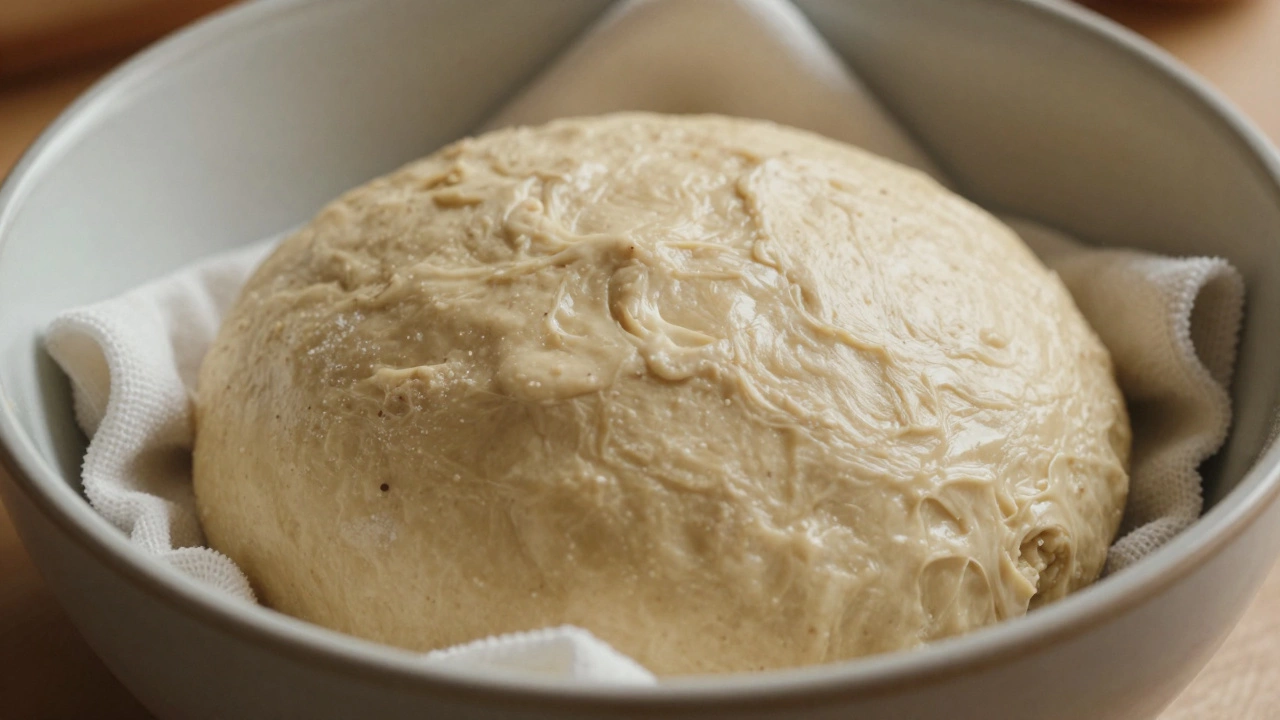
Why Is My Roti Not Puffing Up? 7 Simple Fixes for Perfectly Fluffy Roti Every Time
Learn why your roti isn't puffing up and how to fix it with simple, proven tips. From dough resting to tawa heat, these 7 steps ensure perfectly fluffy Indian bread every time.
Read More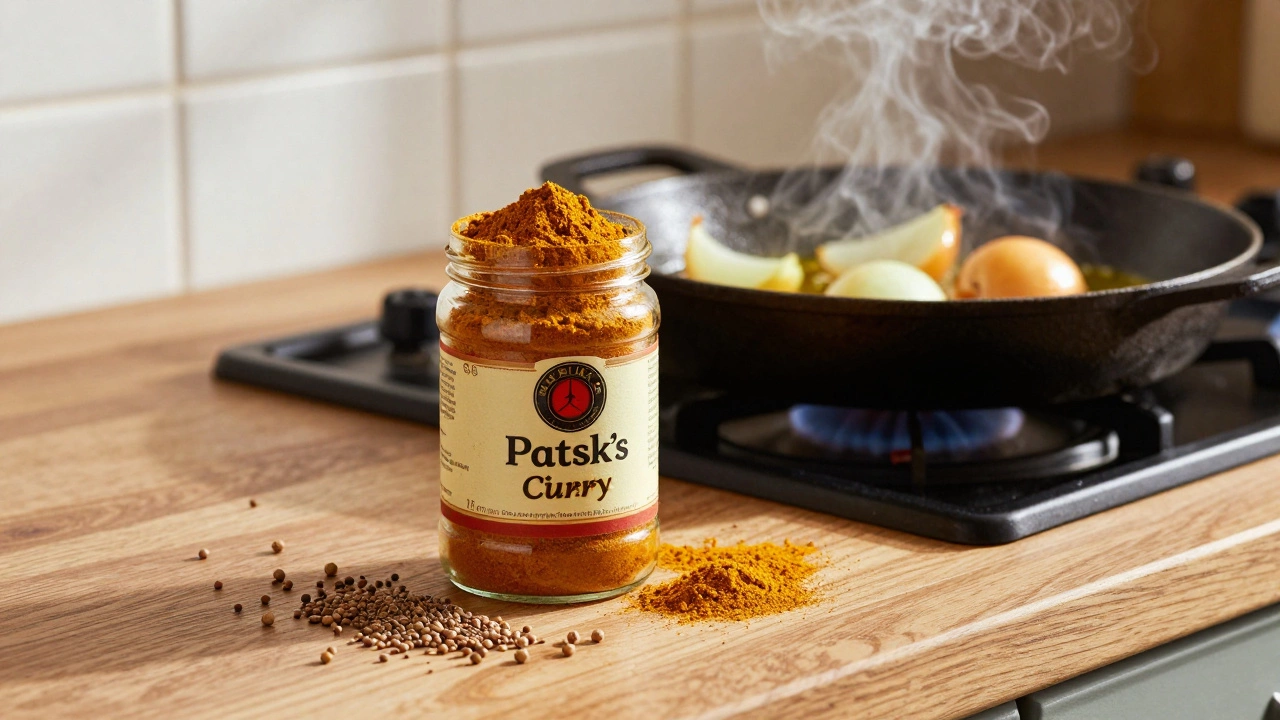
What Is the Best Curry Powder for Chicken Curry?
The best curry powder for chicken curry balances coriander, cumin, and turmeric without overpowering sweetness or heat. Patak’s Classic stands out for its authentic flavor, but homemade blends offer fresher results.
Read More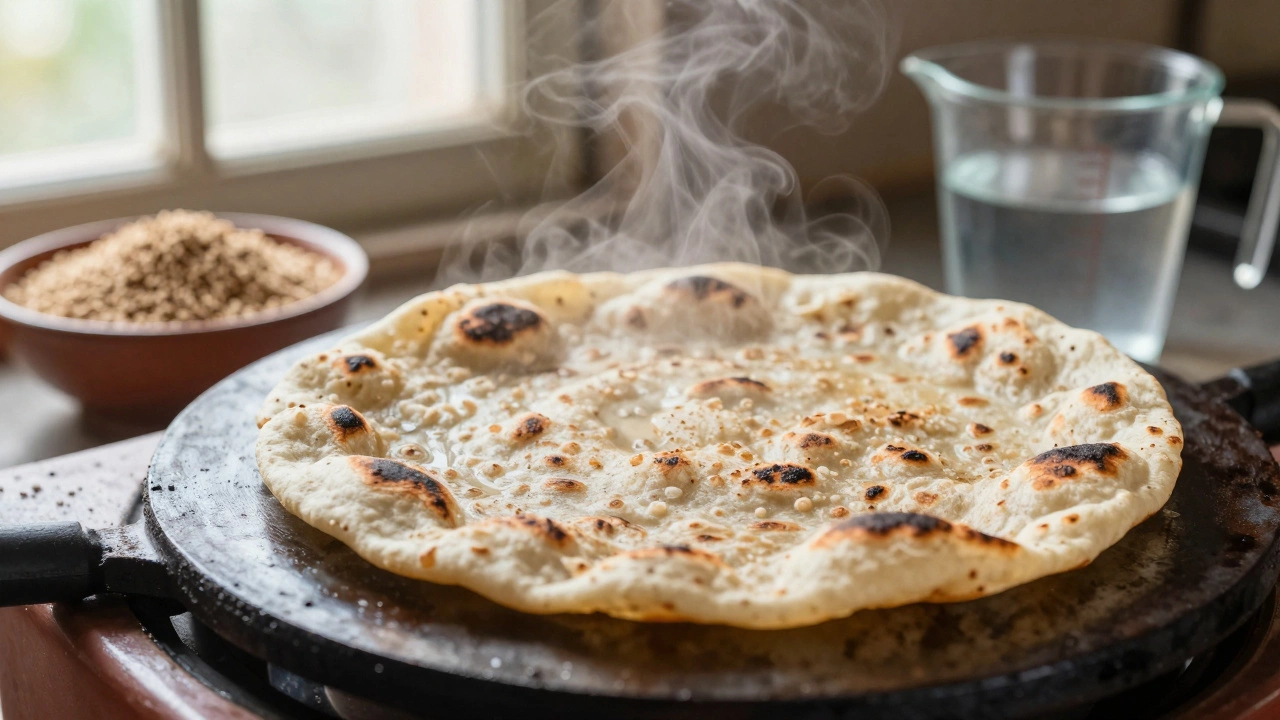
Why Is My Roti Hard After Cooking? Fix Your Dough and Technique Today
Hard roti is usually caused by dry dough, insufficient resting, or a cold tawa. Learn how to fix your technique with simple, proven steps for soft, fluffy roti every time.
Read More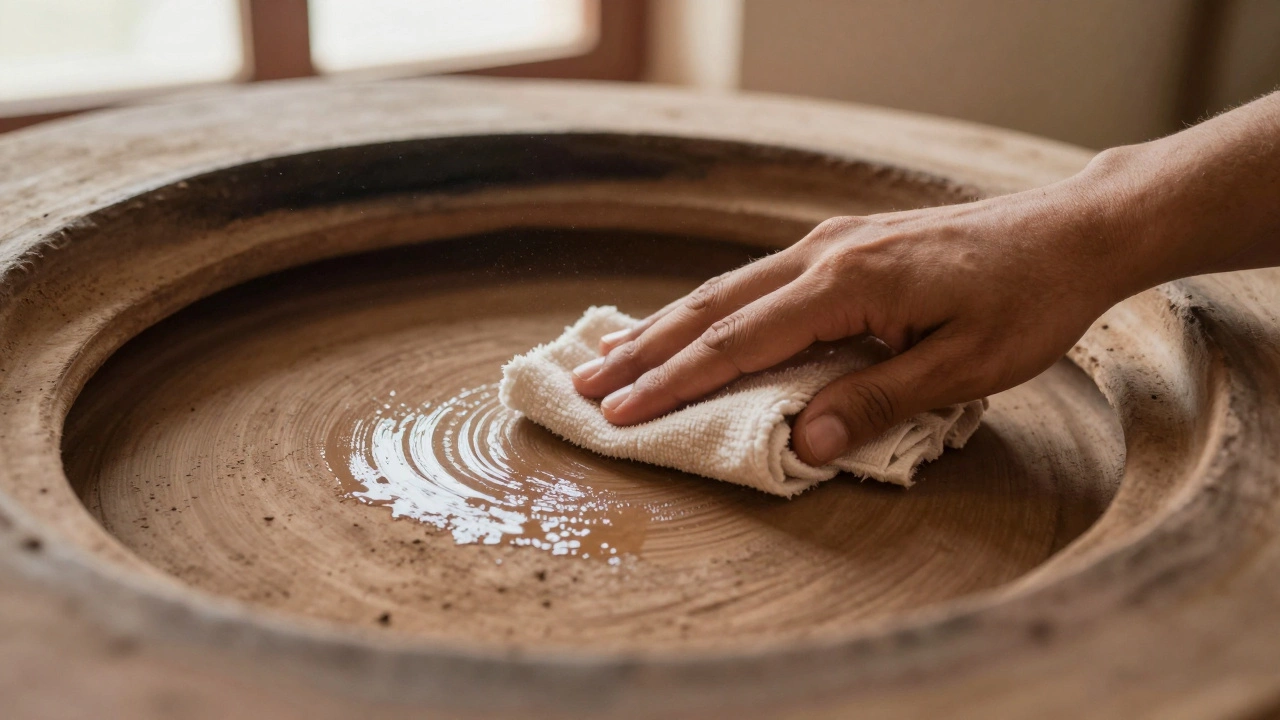
How to Season a Tandoor Oven: A Step-by-Step Guide for Perfect Tandoori Chicken
A well-seasoned tandoor oven is essential for authentic tandoori chicken. This guide explains the step-by-step process to prevent cracks, improve heat retention, and enhance flavor. Learn what materials you need, common mistakes to avoid, and how to troubleshoot issues. Perfect for home cooks ready to master traditional Indian cooking techniques.
Read More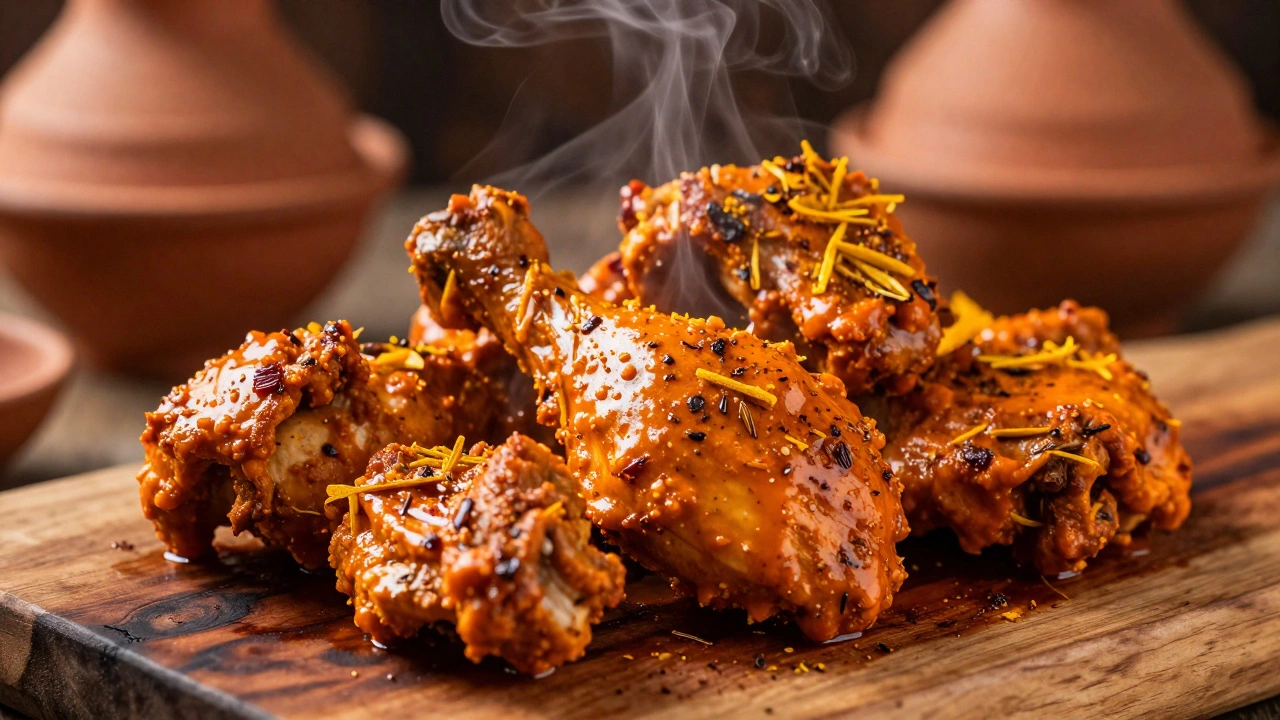
What Liquid Is Best for Marinade? Expert Choices for Tender, Flavorful Chicken
Yogurt is the best liquid for tandoori chicken marinade-it tenderizes, adds flavor, and keeps the meat juicy. Learn why other liquids like lemon juice or milk don’t work as well and how to build the perfect marinade.
Read More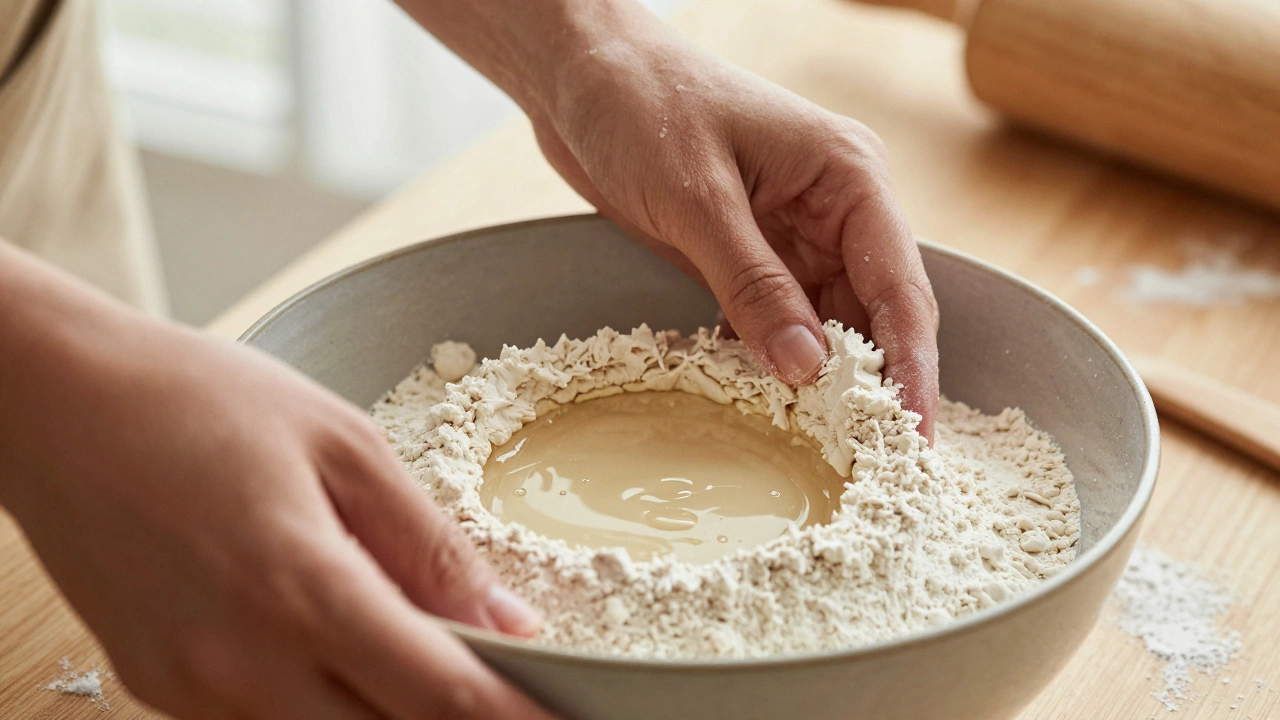
What Is the Secret to Soft Dough for Roti?
The secret to soft roti dough isn't in the flour or heat-it's in the water, kneading, and rest time. Learn how to get perfect, pillowy rotis every time with simple, proven steps.
Read More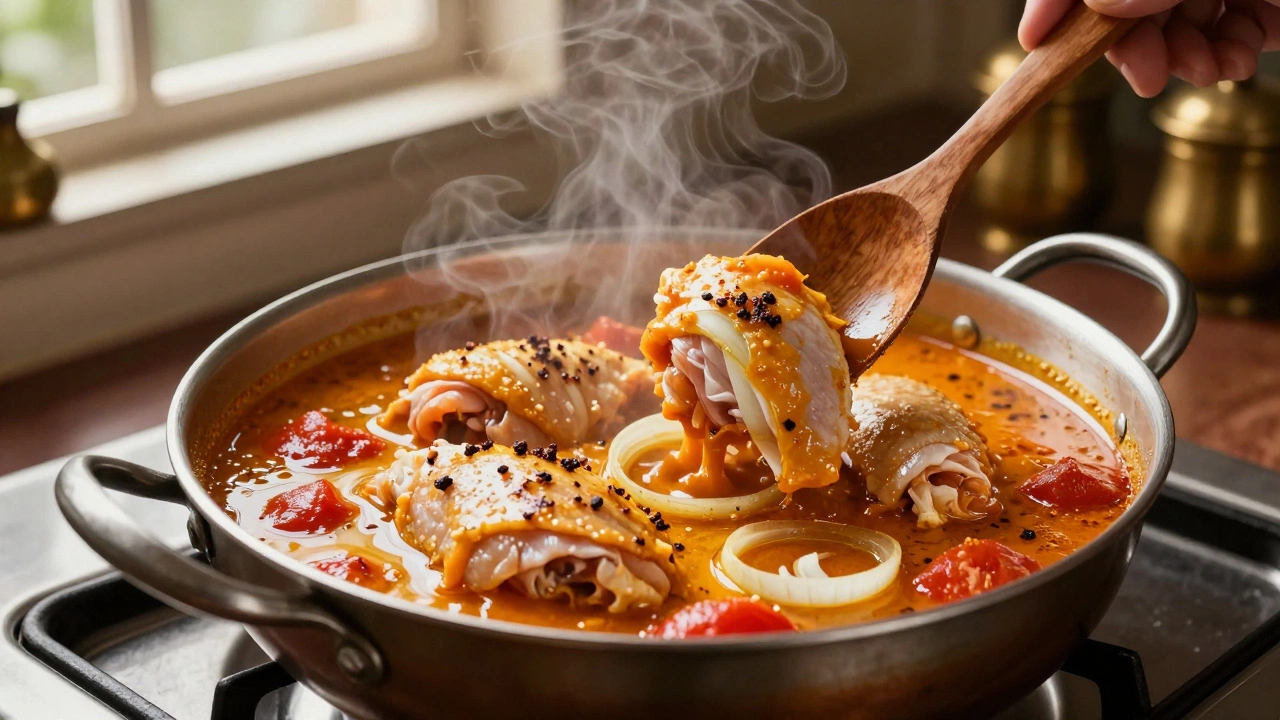
Can You Put Raw Chicken Into a Curry? Here’s What Actually Works
Yes, you can safely put raw chicken into a curry - and it’s how most traditional recipes work. Learn how to do it right, avoid common mistakes, and get juicy, flavorful results every time.
Read More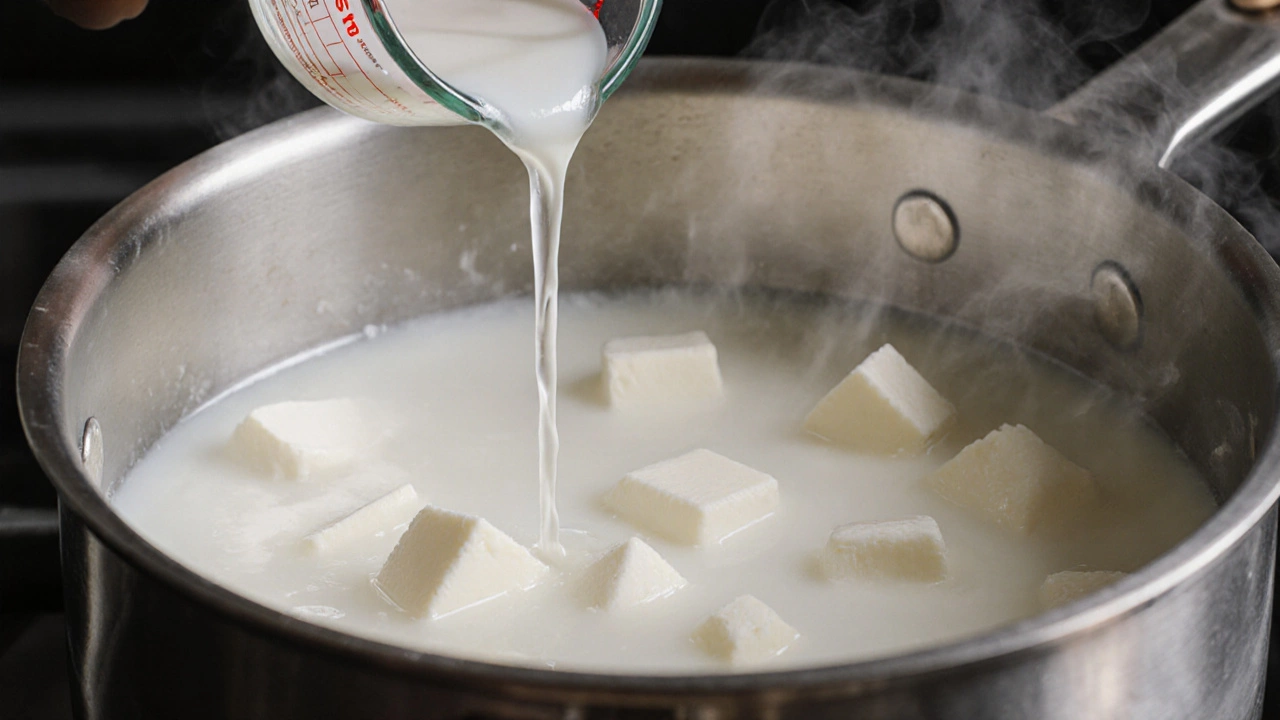
Best Acid for Making Paneer at Home
Find out which acid-lemon juice, vinegar, or citric acid-gives you the best homemade paneer with firm texture, no off-flavors, and perfect results every time.
Read More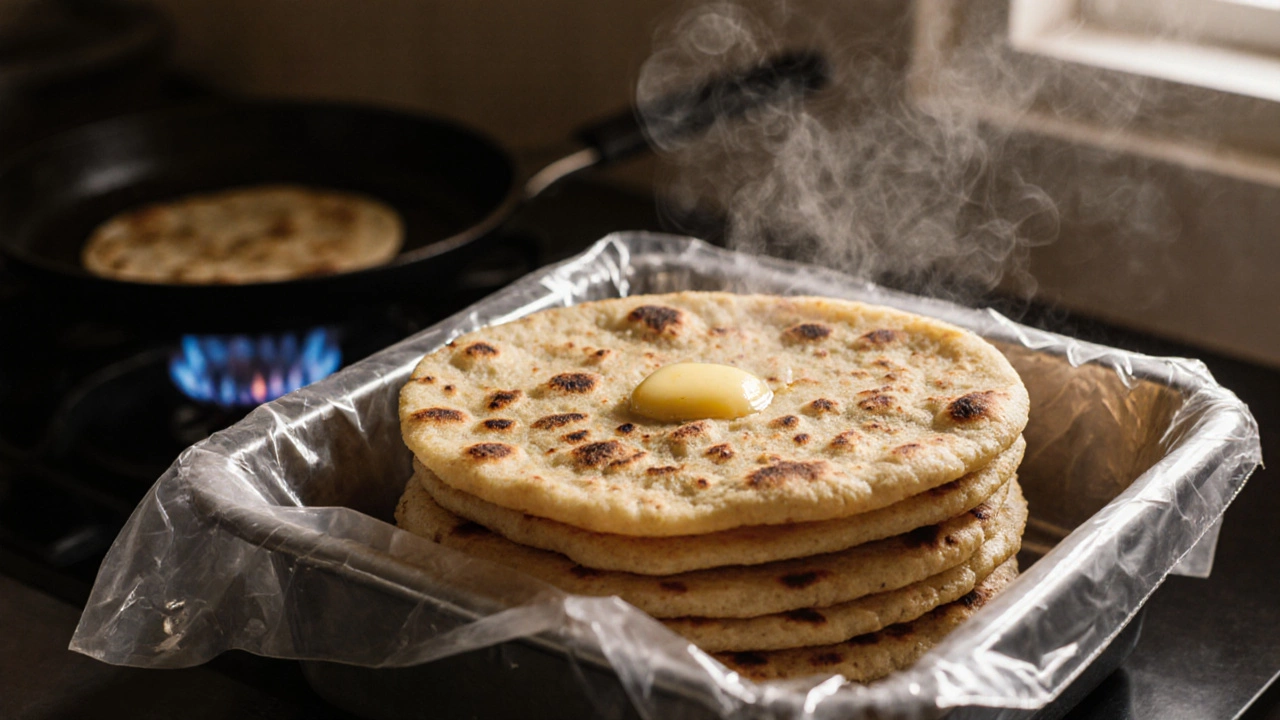
How to Keep Roti Soft for Hours - Proven Tips and Tricks
Learn the exact steps, ingredients and storage tricks to keep roti soft for hours, with easy reheating tips and common mistakes to avoid.
Read More
Paneer Yield from 1 Gallon of Milk - How Much Can You Make?
Learn how many grams of paneer you can get from one gallon of milk, the factors that affect yield, and step‑by‑step calculations for perfect homemade paneer.
Read More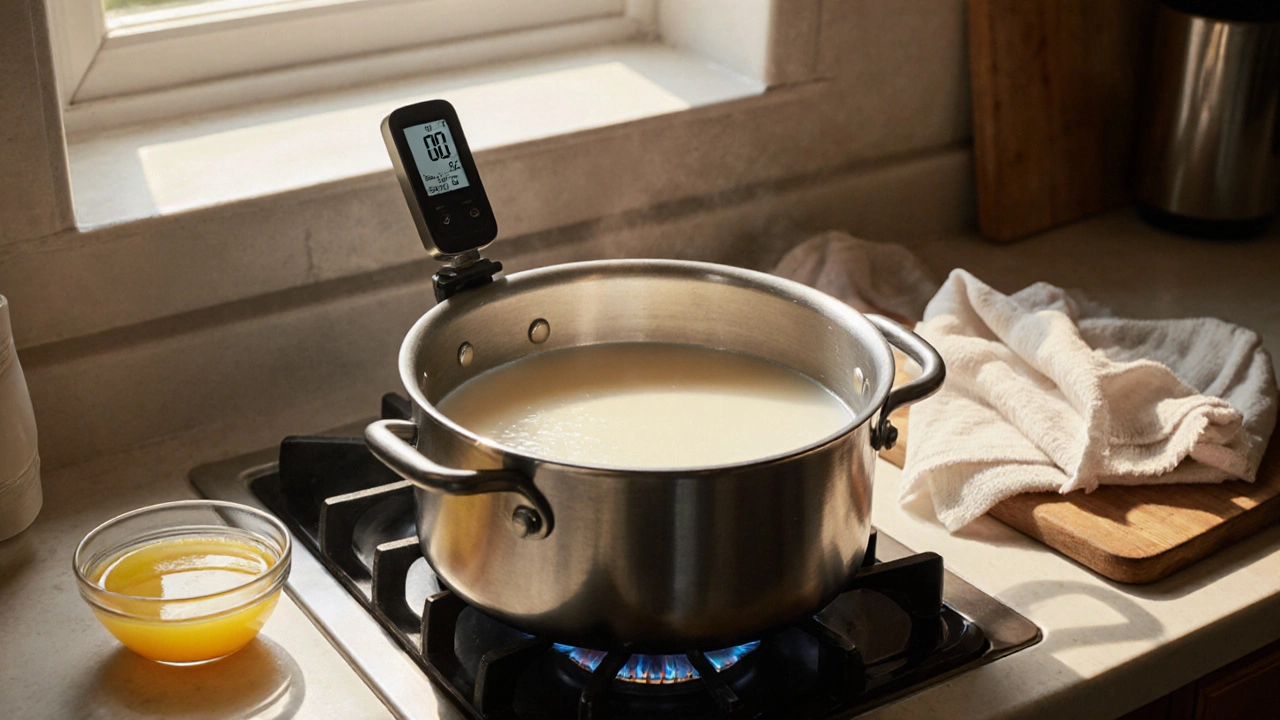
How to Make Paneer from Broken Milk - Safe DIY Guide
Learn how to safely turn mildly sour or "broken" milk into fresh paneer at home, with step‑by‑step instructions, safety tips, and storage advice.
Read More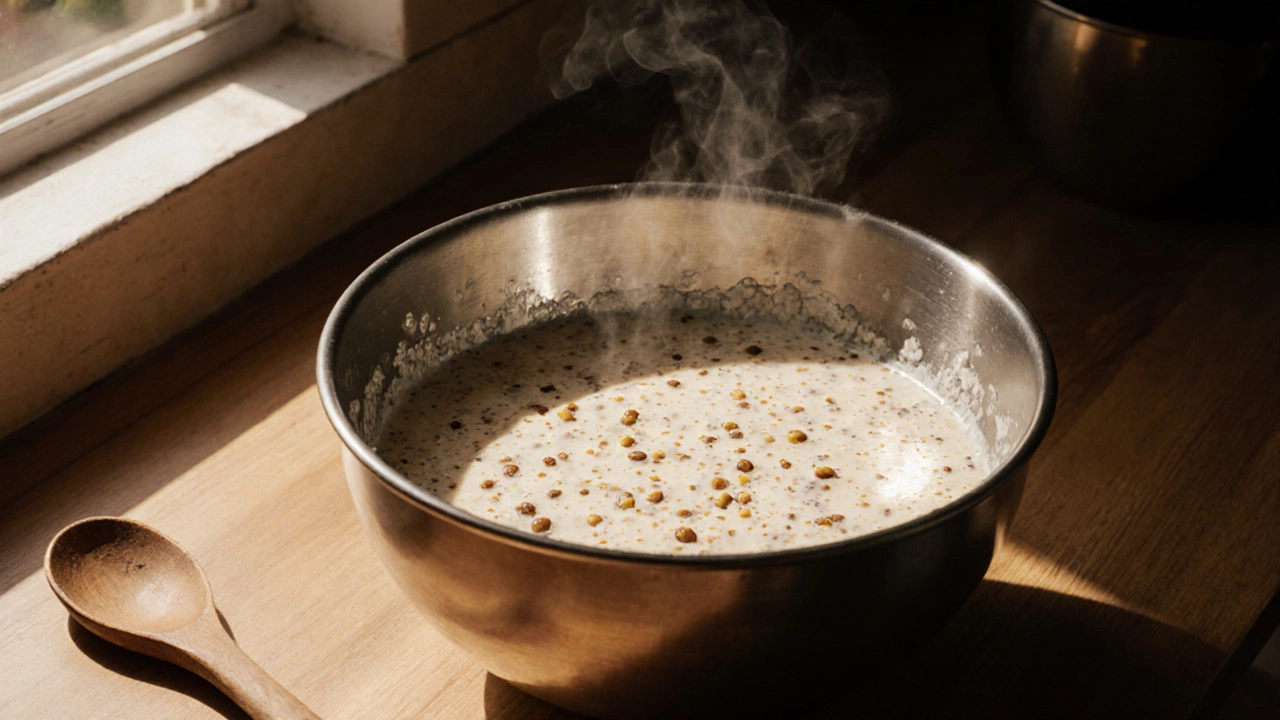
Dosa Batter Fermentation Time: How Many Hours Needed?
Learn the exact fermentation time for dosa batter, how temperature and starter culture affect it, and get tips to achieve perfect dosas every time.
Read More